10 Best Eco Friendly Tote Bags for Wholesale Buyers

Choosing Eco Friendly Tote Bags for wholesale orders involves more than comparing colors and unit prices. Buyers need to examine fabric composition, stitching, handle strength, print quality, and the conditions behind sustainability claims. A bag may look sturdy on a product page yet sag under a few books. Details matter.

Sustainability expert William McDonough has said, “Being less bad is not being good.” That reminder is useful when evaluating reusable bags. A recycled-fiber label alone does not tell the whole story. Ask suppliers for material specifications, product samples, and clear information about production and care. Then check whether the bag suits its intended use, from lightweight event giveaways to repeated grocery trips. Small seams tell a story.

This guide to the 10 best Eco Friendly Tote Bags for wholesale buyers compares practical options across materials, construction, customization, and ordering needs. It is designed to help retailers, nonprofits, and promotional teams ask better questions before placing a bulk order. We also consider what product descriptions often leave out, such as fabric weight or handle attachment. No single tote fits every buyer, and “eco-friendly” is not a complete performance rating. Some trade-offs remain. A heavier bag may last longer but use more material; a lower-cost option may work for a one-day event but disappoint with frequent use. Treat the shortlist as a starting point, verify supplier details, and match each choice to real-world handling.
10 Best Eco Friendly Tote Bags for Wholesale Buyers

What Makes a Tote Bag Eco Friendly?

An eco-friendly tote bag starts with its materials, but material choice alone is not enough. Organic cotton can reduce pesticide use, while recycled cotton gives textile waste another purpose. Hemp often needs fewer agricultural inputs. Recycled polyester may lower demand for new plastic, although it can still release tiny fibers during washing. The better question is not, “Which fabric is greenest?” It is, “Which option suits the bag’s expected use?”

For wholesale buyers, durability is a practical environmental feature. A reinforced handle, dense stitching, and a washable surface can keep one tote in service for years. Check the fabric weight, seam strength, colorfastness, and load capacity before placing a large order. A thin bag may look sustainable, yet fail after several shopping trips. That creates replacement waste. Small details matter.

Supplier transparency also matters. Request fiber-content records, production details, packaging information, and relevant test reports. Prefer minimal packaging and avoid unnecessary plastic wrapping. Certifications can support a claim, but they should match the exact product and factory. No tote is impact-free. A recycled fabric may still involve energy, water, transport, and chemical processing. I would avoid broad claims such as “zero impact” unless strong evidence supports them. Even responsible sourcing needs review, because supply chains change and product labels can oversimplify reality.

Key Materials Used in Sustainable Tote Bag Production

For wholesale buyers, material choice shapes a tote bag’s strength, cost, appearance, and environmental profile. Organic cotton feels soft and prints cleanly, making it suitable for retail packaging and repeated daily use. However, cotton farming can require substantial water, so “natural” does not automatically mean low impact. Ask suppliers about fiber origin, fabric weight, dyeing methods, and relevant certification records. Details matter.

Recycled cotton reduces demand for virgin fibers, but shorter fibers may lower tear resistance. Many factories blend recycled cotton with virgin cotton or recycled polyester to improve durability. That blend can perform well. Yet, buyers should request exact percentages instead of accepting vague sustainability claims. Recycled polyester, often made from used plastic bottles, offers consistent strength and quick drying. It may shed microfibers during washing, especially when the fabric is brushed or loosely woven.

Hemp and jute can provide sturdy textures while requiring fewer agricultural inputs than conventional cotton in some growing conditions. Hemp may feel firm at first, while jute can soften or fray without suitable weaving and finishing. I recommend testing handles, seams, colorfastness, and load capacity with filled samples before approving bulk production. A 10-kilogram trial exposes weak stitching quickly. No material is perfect. Supplier transparency, measured specifications, and realistic care instructions make sustainability claims more dependable for wholesale decisions.

10 Best Eco-Friendly Tote Bag Materials for Wholesale Buyers

Key materials used in sustainable tote bag production, compared by typical commercial fabric weight. Heavier fabrics are generally selected for structured, reusable shopping and promotional totes, while lighter fabrics support lower-cost, foldable designs.

Values show representative fabric weights in grams per square metre (g/m²) based on common commercial specifications. Actual weight varies by weave, finish, coating, and supplier. Renewable or recycled content does not by itself guarantee lower environmental impact; durability, reuse, certifications, and end-of-life options should also be assessed.

How to Compare Tote Bags for Wholesale Purchasing

How to Compare Tote Bags for Wholesale Purchasing

A wholesale tote should be judged by use, not just by its “eco-friendly” label. Compare fabric weight, stitching, handle length, print method, and expected load. A thin bag may cost less but sag under jars or books. Ask suppliers for material specifications and a sample; inspect seams and test it with the products customers will carry. Small details matter.

Material data offers useful context, but it is not a product scorecard. Textile Exchange’s Materials Market Report 2024 estimates that global fiber production reached 124 million tonnes in 2023, with polyester making up 57%. That scale makes material choice worth checking. Still, recycled content alone cannot tell you how long a tote lasts or whether its construction suits your needs. Request clear documentation for fiber content, recycled claims, and country of manufacture, then compare quotes using the same bag size and order quantity.

Tips: Calculate cost per expected use, not only cost per unit. Check whether the supplier can provide consistent color and dimensions across repeat orders. A natural-fiber bag is not automatically the better option; poor stitching or low reuse can undermine its appeal. I would also leave room for error: printed colors may vary slightly between production runs, so approve a physical sample before ordering at scale.

Top Eco Friendly Tote Bag Styles for Bulk Buyers

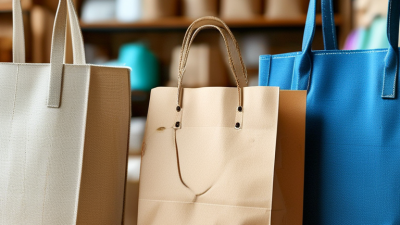
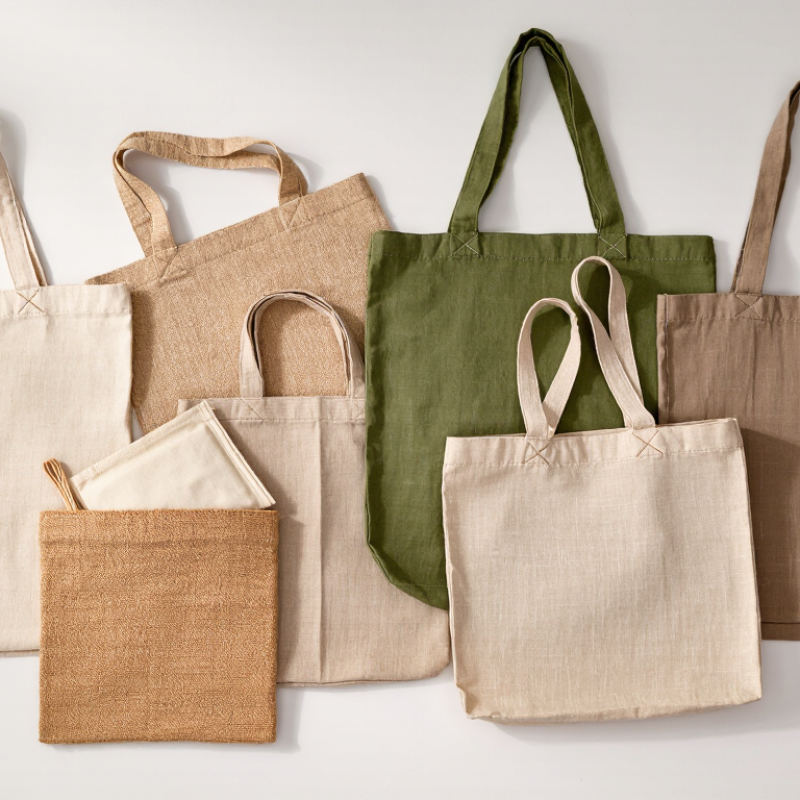
For bulk buyers, the best tote style depends on how people will use it. Lightweight cotton totes fold neatly into a display basket and work well for handouts or everyday errands. Canvas styles feel sturdier, especially with reinforced handles and boxed corners, but they take up more storage space. Recycled-fiber totes can support a lower-waste product range; ask suppliers for clear material details rather than relying on a label alone. Small differences matter.

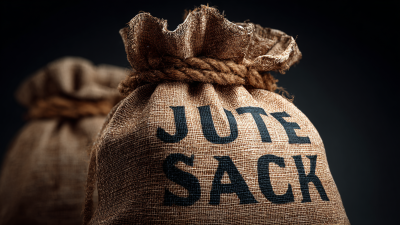
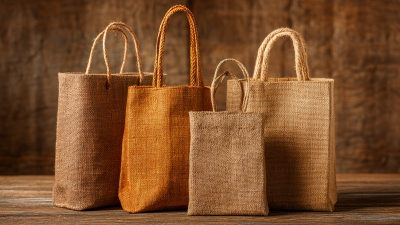
For groceries or heavier items, compare fabric weight, stitching, handle length, and load-test results before placing a large order. Nonwoven bags are often light and easy to print, while jute blends offer a textured look that suits market events. Neither style fits every use. A thick bag may be durable but less convenient to carry, and natural fibers can vary slightly in color or texture between production runs.

Tips: Request physical samples from the intended production material. Check seams, print placement, and how the bag sits when filled with a few books or groceries. Confirm dimensions, packing method, and production tolerances in writing. A small sample can reveal issues that a digital mockup misses. Allow time for revisions; even experienced buyers sometimes overlook handle comfort until they test a loaded bag.

10 Best Eco Friendly Tote Bags for Wholesale Buyers - Top Eco Friendly Tote Bag Styles for Bulk Buyers

Tote Bag Style Common Material Typical Construction Suitable Uses Wholesale Buying Considerations End-of-Life Notes
Natural Cotton Tote Unbleached cotton canvas or plain-weave cotton Open top, two shoulder-length handles, flat base Events, retail shopping, everyday carry Compare fabric weight, handle reinforcement, stitching, and print method; heavier fabric generally adds structure and weight. Cotton is plant-based, but dyes, coatings, and mixed components can affect recyclability and composting options.
Recycled Cotton Tote Recycled cotton, sometimes blended with other fibers Simple open-top construction; fabric texture may vary Promotional programs and everyday shopping Request documentation for recycled-content claims and confirm the recycled percentage and fiber blend. Recycling into new textile fiber depends on local facilities and material composition; blends can complicate processing.
Jute Tote Woven jute fiber, sometimes combined with cotton or a lining Firm woven body, often with reinforced handles or a gusset Grocery shopping, gifting, and market use Check handle attachment, lining material, seam strength, and whether the bag is intended for dry goods. Jute is a plant fiber; lamination, synthetic linings, and trims may limit composting or recycling options.
Hemp Tote Hemp canvas or a hemp-cotton blend Structured body with reinforced seams and handles Reusable retail bags and longer-term daily use Confirm the hemp content, blend composition, fabric weight, and availability of consistent repeat production. Fiber content alone does not determine compostability; finishes, dyes, and mixed materials also matter.
Recycled PET Tote Fabric made from recycled polyethylene terephthalate (rPET) Lightweight woven or nonwoven construction; often foldable Promotional giveaways, shopping, and travel Ask for recycled-content evidence, fabric specifications, and details of coatings or laminates. It is plastic-based, not biodegradable; recycling depends on local collection systems and the finished bag's components.
Organic Cotton Tote Cotton grown and processed under a specified organic standard Flat or gusseted body with stitched handles Retail merchandise and sustainability-focused campaigns Verify applicable certification and chain-of-custody documents; “organic” should be supported by relevant evidence. Cotton is a plant fiber, but certification does not automatically mean the finished bag is compostable.
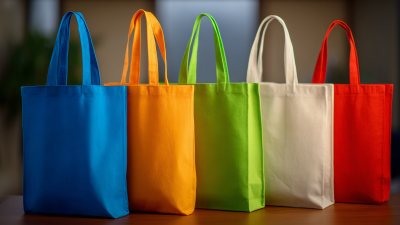
Nonwoven Polypropylene Tote Nonwoven polypropylene (PP) Lightweight, heat-bonded body with stitched or bonded handles Trade shows, conferences, and repeat shopping Compare material thickness, handle strength, seam construction, and whether the bag includes a coating. PP is a plastic; acceptance for recycling varies by location, and nonwoven bags are not universally recyclable in curbside programs.
Canvas Gusset Tote Cotton canvas or recycled-fiber canvas Expanded base and side panels for additional volume Groceries, books, and heavier retail items Check base and handle reinforcement, finished dimensions, and load testing for the intended use. Recyclability depends on fiber blends, coatings, and local textile collection options.
Foldable Reusable Tote Lightweight cotton, rPET, or other woven synthetic fabric Compact fold or built-in pouch, often with long handles Travel, events, and emergency shopping bags Evaluate folding design, closure durability, fabric recovery, and packaging requirements. Check the exact fiber and trim composition; multi-material parts can make recycling more difficult.
Recycled-Blended Tote Blend of recycled and virgin fibers, such as recycled cotton and polyester Woven body with reinforced seams; construction varies by blend Branded retail programs and general-purpose reuse Request a clear breakdown of fiber percentages and recycled-content evidence; confirm printing compatibility. Fiber blends can be harder to separate and recycle; end-of-life options depend on local facilities.

Buyer note: Material, construction, certifications, and end-of-life options vary by supplier and destination. Request product specifications and supporting documentation before placing a bulk order. Environmental claims should be specific and substantiated.

Wholesale Factors: Pricing, Customization, and Supplier Standards

Wholesale buyers should judge eco-friendly tote bags beyond the printed sustainability claim. Price must include fabric weight, stitching, packaging, freight, and inspection costs. A very low quote may hide thin handles or weak seams.

Textile Exchange’s Materials Market Report 2024 recorded global fiber production at 124 million tonnes in 2023. That scale makes material selection important. Recycled cotton, certified organic cotton, and recycled polyester can reduce pressure on virgin resources, but each needs traceable evidence.

Customization affects both cost and waste. Request artwork templates, print limits, color samples, and a pre-production sample before ordering. Small logos may need less ink and fewer production steps.

However, recycled fabric can absorb ink differently. I would test it first. Ask suppliers for fiber composition, colorfastness, seam-strength, and dimensional-change reports.

Recognized systems, such as GOTS or GRS, can support verification, but certificates should match the actual factory and product scope. The OECD’s Global Plastics Outlook links packaging with a major share of global plastic use, so reusable design must survive repeated handling, not only look sustainable.

Tips: Compare landed cost, not unit price. Set a minimum handle-load test. Check certificate validity and audit dates.

Ask whether rejected bags are repaired, recycled, or discarded. UNEP’s 2023 Turning off the Tap report says plastic pollution could be reduced by 80% by 2040 with existing solutions.

That target is ambitious. Supplier transparency still needs work.

Call Now Button