2026 Best Molded Fiber Packaging Solutions for Global Buyers?
In recent years, the demand for sustainable packaging solutions has surged. A report from Smithers estimates that the global Molded Fiber Packaging market will reach $2.8 billion by 2026. Molded Fiber Packaging has become a go-to choice for many industries, including food and electronics. This growth reflects a shift toward environmentally-conscious practices.
Molded Fiber Packaging offers an eco-friendly alternative to traditional materials like plastic. It is made from recycled paper products, which can significantly reduce waste. Many brands are prioritizing these solutions to meet consumer preferences. Approximately 75% of consumers say they prefer brands that use sustainable packaging. However, challenges remain in production efficiency and cost-effectiveness.
While interest in Molded Fiber Packaging is high, not all companies fully understand its potential. Some industry players have yet to invest in the technology needed for scalable production. This gap indicates a need for greater education and resources. Addressing these gaps is essential for stakeholders who wish to capitalize on future opportunities in this market.
Overview of Molded Fiber Packaging Solutions for 2026
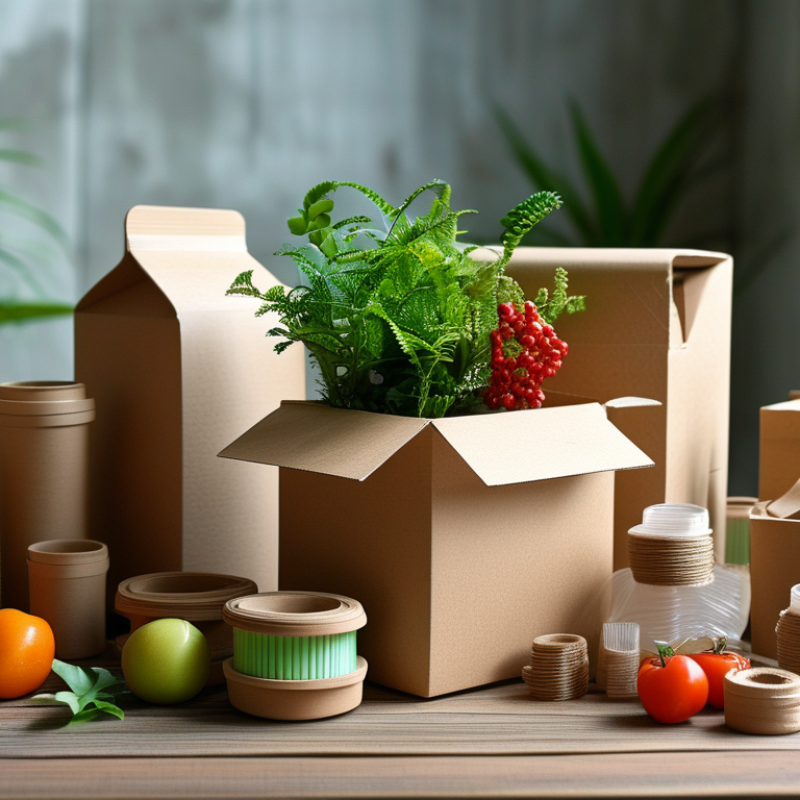
Molded fiber packaging is gaining traction as a sustainable alternative to plastic. This eco-friendly solution is made from recycled paper and cardboard. It can be molded into various shapes and sizes to meet diverse packaging needs. As more companies focus on sustainability, molded fiber solutions are becoming essential.
The advantages are clear. Molded fiber is biodegradable, reducing landfill waste. It offers excellent protection for fragile items, and its lightweight nature can reduce shipping costs. However, the production process can be resource-intensive. Companies must carefully assess their environmental impact when choosing materials and methods.
In 2026, the market will likely see innovations in molded fiber technology. Emerging designs will improve efficiency and functionality. Yet, challenges remain, such as scalability and cost-effectiveness. Businesses must balance these factors while meeting consumer demands for sustainable packaging. A thoughtful approach can inspire confidence in this growing sector.
Key Benefits of Using Molded Fiber Packaging for Global Buyers
Molded fiber packaging is gaining popularity among global buyers for several compelling reasons. This eco-friendly option is created from recycled paper pulp. It offers an excellent alternative to plastic packaging. With increasing pressure to reduce plastic waste, molded fiber is a viable solution. Its natural components mean it is biodegradable and compostable, appealing to environmentally conscious consumers.
One significant benefit is its versatility. Molded fiber can be customized to fit various product shapes. It provides effective cushioning and protection during shipping. This adaptability is crucial for businesses shipping fragile items. However, it’s important to note that the manufacturing process can vary. Some suppliers may not adhere to sustainable practices. Buyers must research suppliers to ensure reliability. Additionally, while molded fiber is beneficial, it might not always provide the lowest cost. Companies need to weigh the benefits against their budget constraints carefully.
Durability is another key feature. Molded fiber can withstand pressure and drop impacts. This makes it suitable for many industries, including electronics and food packaging. However, it may not perform well in humid conditions. This limitation requires reflection on its application and suitability. As the packaging landscape evolves, molded fiber offers a promising direction, but careful consideration is essential.
Major Players in the Molded Fiber Packaging Market
The molded fiber packaging market is gaining traction as companies seek sustainable alternatives. Major players in this sector are innovating and adapting. Their focus is on environmentally friendly materials, which attract eco-conscious consumers. The demand for biodegradable options is increasing. A shift towards renewable fibers is evident as more industries recognize their importance.
In this competitive landscape, understanding market trends is key. Companies are exploring advanced technologies to enhance efficiency. Sustainable practices are no longer an option, but a necessity. Additionally, collaboration among stakeholders can drive innovation. There's a need for continuous dialogue on the best materials and methods.
It's important to stay aware of the challenges too. Molded fiber packaging can sometimes lack the durability of plastic options. Companies must address quality concerns while maintaining sustainability. Engaging with customers can provide valuable insights into their preferences and expectations. Gathering feedback allows for constant improvement and adaptation to market needs.
Innovative Trends in Molded Fiber Packaging Solutions for 2026
The molded fiber packaging industry is undergoing significant changes as we approach 2026. Sustainability drives innovation. Manufacturers are increasingly utilizing recycled materials, reducing the carbon footprint of production. These advancements not only appeal to eco-conscious consumers but also support regulatory trends demanding greener solutions. Yet, while progress is evident, some manufacturers still face challenges in standardizing quality across diverse regions.
Another notable trend is the rise of customized molded fiber solutions. Companies are shifting from generic options to tailored designs that fit specific products. This personalization enhances protection during transport and boosts brand identity. However, the process of creating custom molds can be resource-intensive. As demand grows, balancing innovation with practicality will be crucial for businesses.
Moreover, advancements in technology are reshaping production efficiency. Techniques like automation and AI are revolutionizing how molded fiber products are made. This enhances consistency and reduces waste. Yet, companies must remain mindful of the potential for over-reliance on technology. Human oversight is essential to maintain quality standards and ensure that innovations do not compromise the integrity of the materials used.
Sustainability and Environmental Impact of Molded Fiber Packaging
Molded fiber packaging has emerged as a sustainable alternative to traditional materials. It is made from recycled paper, pulp, or agricultural fibers. This eco-friendly approach significantly reduces waste. The production process is more energy-efficient than plastic or styrofoam. This shift benefits the environment and promotes responsible consumption.
However, there are challenges. The production of molded fiber can still involve water usage and chemical treatments, which may impact local ecosystems. Consumers often overlook these details. Understanding the full lifecycle of molded fiber is crucial. Not all molded fiber products are created equal. Some are more sustainable than others, depending on sourcing and manufacturing practices.
E-commerce has increased the demand for protective packaging. As businesses seek to minimize their environmental footprint, molded fiber offers a viable solution. Education is essential for global buyers. They should prioritize suppliers committed to sustainability without compromising quality. Industry standards are evolving, but buyer awareness remains inconsistent. Choosing the right packaging requires careful consideration of environmental impacts.