Are Biodegradable Fruit Packaging Bags the Future of Food Safety
In recent years, the quest for sustainable packaging has grown. biodegradable fruit packaging bags have emerged as a promising solution. These bags aim to reduce plastic waste in the food industry. Traditional plastic often ends up in landfills, creating long-lasting environmental issues.
Consumers are now more aware of ecological impacts. They seek packaging that aligns with their values. Biodegradable fruit packaging bags not only serve a purpose but also reflect a growing responsibility towards our planet. However, questions remain regarding their effectiveness and durability. Do these bags truly keep fruit fresh? Are they as cost-effective as conventional options?
While the benefits seem clear, challenges still exist. Producers must balance cost with sustainability. Consumers need reassurance about safety. Understanding the trade-offs is crucial as we move forward. The future of food safety could very well hinge on the widespread adoption of biodegradable fruit packaging bags.
Overview of Biodegradable Fruit Packaging Bags and Their Benefits
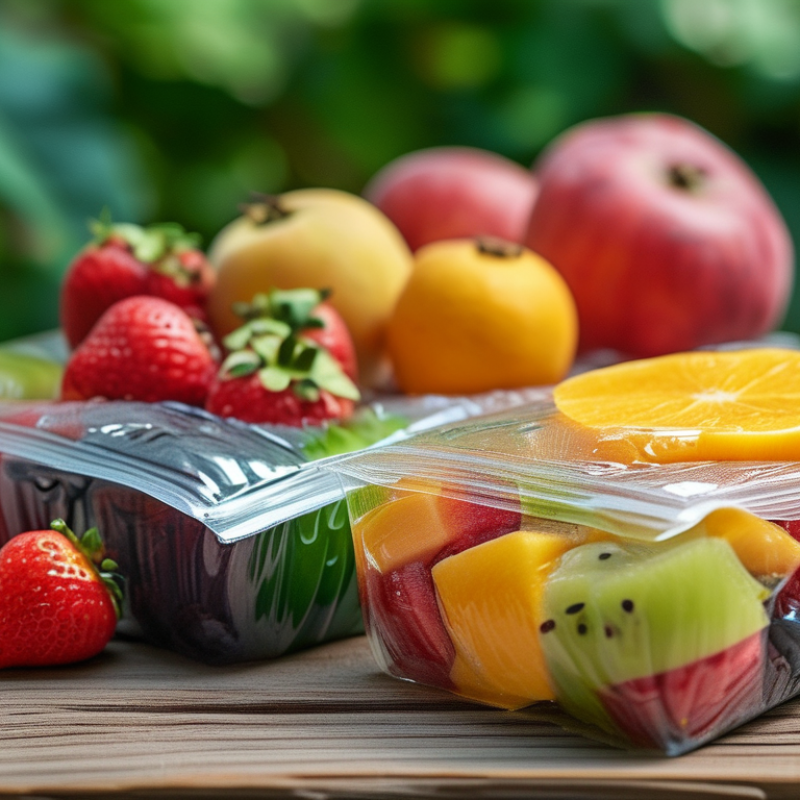
Biodegradable fruit packaging bags are revolutionizing the food safety landscape. Their design minimizes environmental impact while ensuring fruits remain fresh and protected. According to a recent report from the Biodegradable Products Institute, the global market for biodegradable packaging is expected to reach $17 billion by 2027. This growth highlights the increasing consumer demand for sustainable alternatives.
These bags naturally decompose, reducing landfill waste. Conventional plastic bags can take hundreds of years to break down. Biodegradable options typically break down within 90 to 180 days under proper conditions. This rapid decomposition helps reduce soil and water contamination associated with plastic waste. A study published in the Journal of Cleaner Production found that biodegradable bags can cut greenhouse gas emissions by up to 70% compared to traditional plastics.
Despite their benefits, challenges exist. The availability of composting facilities is limited in many regions, which affects bag effectiveness. Furthermore, not all biodegradable bags perform equally. Some require specific conditions to decompose, which can complicate disposal solutions. Consumer awareness around these products is vital for widespread adoption. Understanding how to use and dispose of biodegradable packaging responsibly will play a crucial role in its future.
The Role of Biodegradable Materials in Food Safety Standards
The role of biodegradable materials in food safety standards is increasingly significant. As consumer awareness grows, so does the demand for safer packaging solutions. Traditional plastics can leach harmful substances into food. This is a major concern for many consumers. Biodegradable fruit packaging bags could be a game-changer in this respect. They offer a safer alternative that minimizes chemical exposure.
Biodegradable materials break down naturally and reduce environmental impact. They are made from substances like plant starch or cellulose. These materials can limit microbial contamination, enhancing food safety. Still, the effectiveness of biodegradable bags depends on their composition and the conditions under which they decompose. Some may not break down as quickly as claimed. The variability in production also raises questions about reliability.
While biodegradable bags show promise, there are challenges. Not all biodegradable materials meet food safety standards effectively. Some designs may compromise the protective qualities needed for fruits. More research and regulation are necessary to ensure safety and uniformity. As the market evolves, continuous improvement in standards will be essential.
Comparative Analysis: Traditional vs. Biodegradable Packaging Solutions
The packaging industry is evolving rapidly. Traditional packaging materials have served us well, but they come with serious environmental drawbacks. Single-use plastics contribute to pollution and pose risks to food safety. Biodegradable packaging solutions promise a safer, eco-friendly alternative. These innovative bags break down naturally, reducing landfill waste and chemical leaching.
Using biodegradable packaging is not without challenges. Their lifespan and durability may not match traditional options. They can be sensitive to humidity and temperature. Thus, understanding their limitations is essential for businesses aiming to transition smoothly.
Tips: Always check the certifications of biodegradable products. Look for clear labeling that indicates compostability. Ensure proper disposal methods are in place. Educating consumers on these aspects is vital. Implementing awareness campaigns can enhance the adoption of biodegradable packaging. As influencers in the industry, we must commit to transparency and reliability in our choices.
Environmental Impact of Biodegradable Packaging in the Food Industry
The food industry increasingly recognizes the environmental impact of packaging. Traditional plastic can take centuries to decompose. In contrast, biodegradable fruit packaging bags offer a more sustainable solution. According to a report by the Green Packaging Alliance, these bags can break down within a few months under the right conditions. This rapid decomposition reduces landfill waste significantly.
Studies show that over 300 million tons of plastic are produced globally each year. A large portion becomes packaging. The move to biodegradable options could shift industry standards. However, the effectiveness of these alternatives depends on proper waste management. Without adequate infrastructure, biodegradable materials may end up in landfills, where they cannot decompose efficiently.
Consumer behavior also plays a crucial role in this transition. Many still prefer traditional plastic due to its durability and packaging aesthetics. Some reports indicate that only 20% of consumers actively seek biodegradable options. This disparity highlights a need for better consumer education. Efforts must focus on communicating the benefits of biodegradable packaging in reducing environmental footprints. Only through awareness and improved practices can we truly measure success in food safety and sustainability.
Are Biodegradable Fruit Packaging Bags the Future of Food Safety - Environmental Impact of Biodegradable Packaging in the Food Industry
| Dimension | Type | Impact | Benefits |
| Material Used | Plant-Based | Lower carbon footprint | Renewable resources |
| Decomposition Time | Biodegradable | Composts within 90-180 days | Reduces landfill waste |
| Food Safety | Packaging Quality | Reduces spoilage | Maintains product integrity |
| Environmental Impact | Waste Reduction | Less plastic pollution | Supports circular economy |
| Consumer Acceptance | Market Trends | Growing demand | Encourages sustainable choices |
Future Trends and Innovations in Biodegradable Food Packaging Technologies
The rise of biodegradable fruit packaging bags marks a significant shift in food safety practices. Innovations in biodegradable materials focus on reducing environmental impact. Researchers are exploring plant-based polymers that can naturally decompose. These materials promise to keep fruits fresh while minimizing plastic waste.
Future trends suggest that smart technology will play a role in biodegradable packaging. Sensors integrated into the bags can monitor freshness and spoilage. This could enhance food safety by alerting consumers to potential issues. Yet, the effectiveness of these technologies needs thorough testing.
Sustainability efforts are gaining momentum, but challenges remain. The production of biodegradable materials can still involve harmful processes. Moreover, consumer education on proper disposal methods is crucial. As we move forward, evaluating these complexities is essential to ensure food safety and environmental benefits.
Trends in Biodegradable Food Packaging Adoption (2023)