
China Best Cosmetic Bottle Manufacturers and Suppliers

China is a major sourcing destination for brands seeking cosmetic packaging in varied materials, shapes, and price ranges. A Cosmetic Bottle may look simple on a product page, yet its performance depends on details such as wall thickness, cap fit, pump output, and surface finish. Small differences matter. They can affect filling, storage, transport, and the customer’s first impression.

This guide introduces Chinese cosmetic bottle manufacturers and suppliers, along with practical points for comparing them. It considers glass and plastic options, standard and custom designs, decoration services, sample availability, minimum order quantities, and production timelines. Buyers should also ask how suppliers check dimensions, color consistency, leakage, and packaging before shipment. Clear specifications help. So do written sample approvals and direct answers about production capacity. A polished catalog alone is not enough.

Supplier claims can be difficult to compare, and no single company suits every project. A small brand may value flexible order quantities, while a large buyer may focus on repeatability and delivery planning. There is no perfect shortcut. Requesting samples and confirming details can take time, but skipping those steps may create avoidable problems later. The overview that follows aims to make the search more focused, while recognizing that supplier information and individual requirements can change.
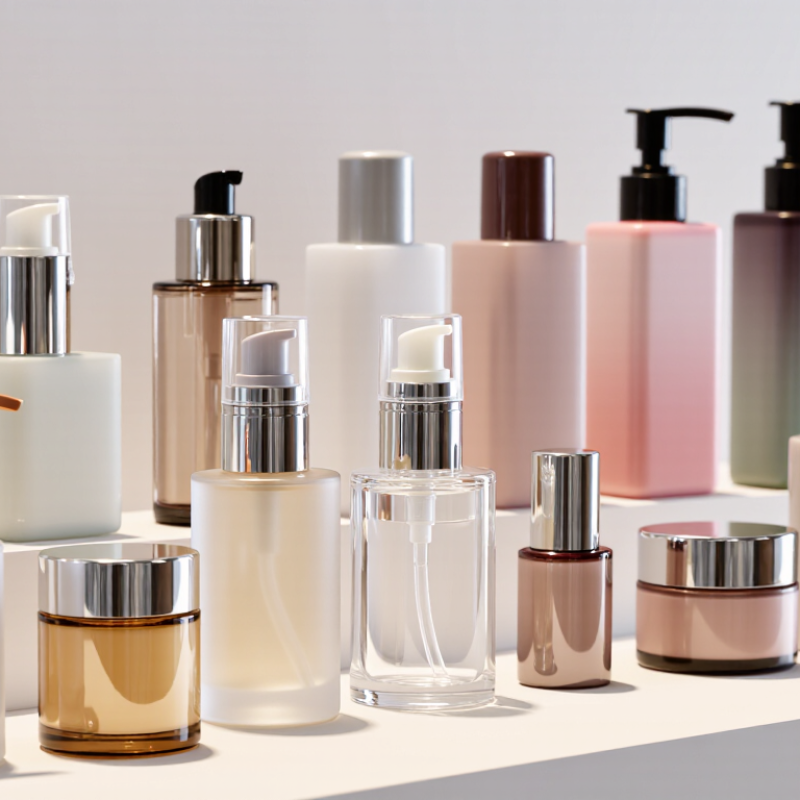
China Best Cosmetic Bottle Manufacturers and Suppliers

Overview of China's Cosmetic Bottle Manufacturing Industry

Overview of China's Cosmetic Bottle Manufacturing Industry

China’s cosmetic bottle industry draws on a broad packaging supply chain, including plastic molding, glass forming, pumps, caps, printing, and surface finishing. The National Bureau of Statistics reported that China produced 74.885 million tonnes of plastic products in 2023, a 3.0% year-on-year decline. This figure covers many product categories, not cosmetic bottles alone, so it should not be read as a direct measure of bottle output. Still, it shows the scale of the country’s plastics manufacturing base. Production capacity varies widely between factories.

For buyers, the details matter: neck dimensions affect pump fit, while wall thickness can influence squeeze feel and transport durability. Suppliers may offer custom molds, color matching, and coating, but sample checks remain important. Ask for test records and confirm that samples match the intended production specification. A neat sample is not proof of consistent mass production. That distinction matters. China offers a dense network of component and packaging manufacturers, yet supplier claims can be difficult to compare when specifications differ. A practical review should examine tolerances, leak-test procedures, material declarations, and batch-to-batch consistency—not just quoted unit prices.
Common Materials, Designs, and Types of Cosmetic Bottles

Cosmetic bottles usually combine glass, PET, HDPE, or polypropylene, and each material behaves differently. Glass feels reassuring and resists many formula interactions, but it is heavier and can break during shipping. PET is lightweight and clear, making it useful for lotions and cleansers. HDPE offers a softer, opaque finish, while polypropylene is often used for caps and closures. Compatibility testing matters. Oils, acids, and fragrance components may affect packaging over time, so test the filled bottle before ordering large quantities.

Shape and dispensing style should match how the product is used. Cylindrical bottles fit neatly on shelves, while oval profiles can feel easier to hold with wet hands. Droppers suit thin serums, and pumps help dispense repeatable portions of lotion. Airless bottles can limit product exposure to air, though their mechanisms may add cost and require careful testing. Small details matter. A narrow neck can reduce spills, but it may make refilling or cleaning harder. Clear packaging looks elegant, yet it can expose light-sensitive formulas. Appearance is not always the best guide, and a design that works beautifully in a sample may feel awkward in everyday use.

China Best Cosmetic Bottle Manufacturers and Suppliers - Common Materials, Designs, and Types of Cosmetic Bottles

Common cosmetic bottle materials and formats, with typical uses and practical considerations.
Material Common Designs and Types Typical Cosmetic Uses Advantages Considerations
Glass Dropper bottles, serum bottles, thick-wall bottles, spray bottles Facial serums, oils, fragrances, and premium skincare products Good chemical resistance for many formulations; offers a substantial feel and can be reused where suitable. Heavier and more breakable than plastic. Compatibility should be tested, especially with closures, coatings, and reactive formulas.
PET (polyethylene terephthalate) Clear or colored bottles, spray bottles, lotion bottles Toners, cleansers, lotions, and other liquid personal-care products Lightweight, transparent options are available, and it is widely used in packaging. Not suitable for every formula or temperature. Recycling depends on local collection systems and packaging components.
HDPE (high-density polyethylene) Opaque bottles, squeeze bottles, flip-top bottles Shampoos, body washes, cleansers, and some lotions Lightweight, durable, and naturally opaque; useful when light protection or a squeezable package is desired. Usually less transparent and less rigid-looking than PET. Confirm compatibility with the product and dispensing closure.
PP (polypropylene) Airless containers, lotion bottles, pump components, caps Creams, lotions, and products packaged with pumps or other dispensing systems Lightweight and commonly used for packaging components; can be molded into varied shapes. Appearance and barrier performance vary by design. Check that the full package, including seals and pump parts, suits the formula.
Aluminum Aluminum bottles, fine-mist spray bottles, lined containers Sprays, oils, travel-size products, and products needing protection from light Lightweight and opaque, helping shield contents from light exposure. An interior coating may be needed for compatibility. Inspect coatings, seams, and closures for the intended product.
Amber or colored glass Dropper bottles, serum bottles, fragrance bottles Light-sensitive oils, serums, and other formulas where reduced light exposure is desired Colored glass can reduce some light reaching the contents, depending on its color and specifications. Color alone does not establish a product’s shelf life or provide complete light protection; formula testing and suitable storage remain important.
Airless bottle system Airless pump bottle, refillable airless bottle Lotions, serums, and other products dispensed in measured amounts Designed to dispense product while limiting air exposure during use; can help reduce mess and product residue. Performance depends on the pump and package design. Thick, particulate, or highly viscous formulas may need testing.
Fine-mist spray system Spray bottle with atomizer, trigger or finger sprayer Facial mists, toners, hair products, and body sprays Provides convenient application over a wider area; spray output depends on the selected actuator. Formula viscosity and ingredients affect spray performance. Test the nozzle for clogging, leakage, and consistent dispensing.

How to Evaluate Cosmetic Bottle Manufacturers and Suppliers

When comparing cosmetic bottle manufacturers and suppliers, judge the production process, not just polished catalogs. Request samples in the exact material, size, color, and closure you plan to order. Check each bottle on a clean table under daylight. Look for uneven seams, tiny bubbles, sharp edges, and color differences between units. Small details matter.

Test caps, pumps, and droppers with the intended formula; a good-looking bottle may still leak or dispense unevenly. Record fill volume, neck dimensions, wall thickness, and sample weight, then compare them with the supplier’s specification sheet. Ask how often inspections occur, how batches are identified, and how rejected units are handled. Clear answers help. Vague promises are not enough.

Discuss minimum order quantities, tooling charges, sample timelines, production lead times, and packaging protection before approving a quote. Ask for recent quality records or a walkthrough of relevant equipment. Confirm who handles changes after sample approval. A factory visit can reveal storage and workflow, though one visit cannot prove every batch will match. That limitation is worth remembering. Keep dated samples and written acceptance criteria, then reassess after the first production run.

Key Capabilities of Leading Chinese Cosmetic Packaging Companies

Leading Chinese cosmetic packaging companies combine product design, tooling, production, and quality checks. Their capabilities may include glass and plastic bottles, jars, pumps, caps, and custom decoration. Buyers should ask about mold ownership, minimum order quantities, material options, and sample timelines. These details affect cost and repeatability.

A capable supplier can provide dimensional drawings and pre-production samples for review. Check neck fit, pump output, closure torque, surface finish, and label placement. Ask how incoming materials and finished products are inspected, and request relevant test records. One overlooked issue is product compatibility: packaging should be evaluated with the intended formula, since contact can change appearance or performance. Not every factory handles every process in-house, so confirm which steps are outsourced.

Tips: Test filled samples under realistic storage conditions. Keep a written specification for color, dimensions, and decoration. Samples first. A rushed approval can cause avoidable rework; even careful checks may miss small variations between production runs.

Sourcing, Quality Control, and Compliance Considerations

Sourcing cosmetic bottles in China starts with a clear specification, not a low unit price. Define the material, capacity, neck finish, color, and closure before requesting quotes. A mismatch between the bottle thread and pump can cause leakage or uneven dispensing. Ask suppliers for material declarations, production samples, and batch traceability records. Check whether the proposed bottle suits the formula, especially when oils or strong fragrances may affect plastics. Request a pilot run before approving larger quantities. A sample can still mislead.

Quality control should cover both appearance and function. Inspect bottles for cracks, sharp seams, color variation, and loose caps. Test filled samples for leaks after storage and transport simulation. Record acceptable tolerances for dimensions and weight, then confirm how the factory checks them during production. Independent testing may be useful for higher-risk packaging or new materials. Paperwork helps, but it does not replace testing. No checklist catches everything.

Compliance depends on the destination market and the product’s intended use. Confirm applicable packaging, labeling, and chemical safety requirements with qualified professionals before production. Ask suppliers to provide current test reports and clarify which material or batch each report covers. Keep approved samples and review any proposed changes to resin, coating, or decoration. Small changes can matter. I would still revisit the specification after the first shipment; real handling can reveal weaknesses that a factory sample missed.

Call Now Button