Why Choose Reusable Bags for a Sustainable Lifestyle?
In today's world, the emphasis on sustainable living is more important than ever. Reusable bags are a simple yet powerful tool for reducing waste. According to Anna Green, an expert in sustainable practices, "Every choice we make impacts our planet." This statement rings particularly true in the context of reusable bags.
Many people underestimate the power of switching to reusable bags. Each plastic bag takes centuries to decompose, contributing to landfill overflow. In contrast, a high-quality reusable bag can last for years, significantly lowering waste. Notably, reusable bags come in various designs and materials, making them both practical and stylish for consumers.
However, embracing reusable bags isn't always straightforward. Some consumers struggle to remember their bags during shopping trips. Others question the cleanliness of reusing bags. These concerns highlight the need for awareness and commitment to sustainable choices. By choosing reusable bags, we can tackle these challenges together, paving the way for a greener future.
The Environmental Impact of Single-Use Plastics vs. Reusable Bags
Single-use plastics are everywhere. They are convenient but come with a heavy price. Each plastic bag can take up to 1,000 years to decompose. In our landfills and oceans, these bags accumulate. They break down into microplastics, harming wildlife and ecosystems. The impact on marine life is profound. Sea creatures ingest plastics, mistaking them for food. This leads to injury and death.
In contrast, reusable bags are a better choice. They are durable and designed to last for years. Opting for reusable bags can significantly reduce waste. Imagine carrying a sturdy tote for your groceries instead of flimsy plastic bags. Each trip you make with a reusable bag cuts down on plastic pollution. Yet, many people still forget to use them. This inconsistency is a hurdle in the push for sustainability.
Adopting reusable bags requires commitment. Sometimes, it’s easy to revert to the convenient option. But every small effort counts. We must challenge ourselves to remember, to plan ahead. By making conscious choices, we can all contribute to a cleaner environment.
Why Choose Reusable Bags for a Sustainable Lifestyle? - The Environmental Impact of Single-Use Plastics vs. Reusable Bags
| Category |
Single-Use Plastics |
Reusable Bags |
| Production Impact (CO2) per 1,000 bags |
1,700 kg |
200 kg |
| Average Usage Life |
Minutes |
Years (often over 5) |
| Decomposition Time |
Up to 1,000 years |
Recyclable in months to years |
| Toxins Released |
Yes (during decomposition) |
Minimal (when produced sustainably) |
| Recycling Rate |
9% globally |
Variable, but increasing with awareness |
| Ocean Pollution Contribution |
Significant |
Negligible |
Statistics on Plastic Pollution: A Growing Global Concern
Plastic pollution is a staggering issue. Over 300 million tons of plastic are produced each year. Most of this plastic ends up in landfills and oceans. A shocking statistic shows that 1 million plastic bags are used every minute globally. This relentless rate contributes to the increasing levels of plastic waste. Every year, an estimated 8 million tons of plastic make their way into oceans. Sea creatures often mistake plastic for food, leading to their deaths.
Switching to reusable bags can make a difference. They are durable and can handle many uses. Plus, they reduce the demand for single-use plastic. Think about it: one reusable bag can replace hundreds of plastic bags over its lifetime. Many people still rely heavily on single-use bags, often forgetting the harm they cause. It's uncomfortable to acknowledge how convenient plastic feels. However, the ease of use comes with serious consequences for our planet.
The need for change is urgent. Everyone has a role to play in this fight against plastic pollution. Our small choices matter. Making a habit of using reusable bags can lead to a more sustainable lifestyle. It is a simple first step, yet it requires commitment. A conscious effort today can lead to a healthier environment tomorrow.
Long-Term Cost Benefits of Using Reusable Bags Over Time
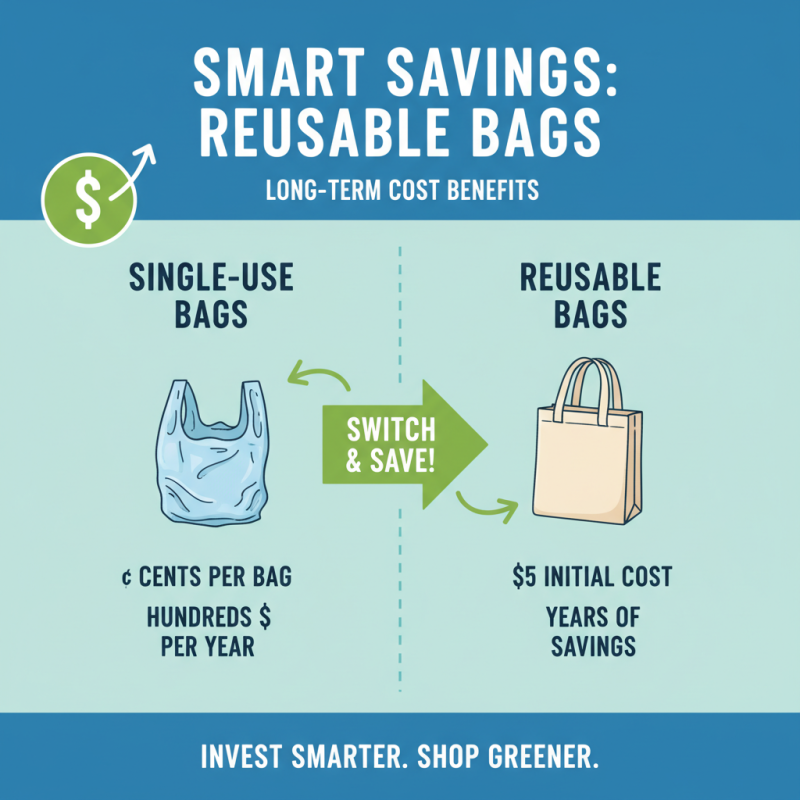
Using reusable bags can lead to significant long-term cost benefits. Many people overlook the initial investment in these bags. However, when comparing the costs of single-use bags, the savings quickly accumulate. A typical plastic bag may cost just a few cents. In contrast, a durable reusable bag might cost up to $5. But consider this: if a family shops weekly, they can easily spend hundreds per year just on disposable bags.
Over time, a single well-maintained reusable bag can replace hundreds of plastic bags. Imagine making this small switch for a year. It’s not just about the money; it’s about the waste we produce. Many people fail to realize the environmental impact of single-use options. There’s something sobering about seeing piles of discarded bags in landfills. It’s a stark reminder that our choices matter.
Reflecting on our habits is crucial. Are we truly aware of the costs behind convenience? The journey to sustainability often involves small shifts in mindset. With reusable bags, the choice supports the planet and one’s wallet. It’s a practical solution that requires commitment and awareness. Making this shift isn’t perfect for everyone, but it’s certainly worth considering.
The Role of Reusable Bags in Reducing Carbon Footprint
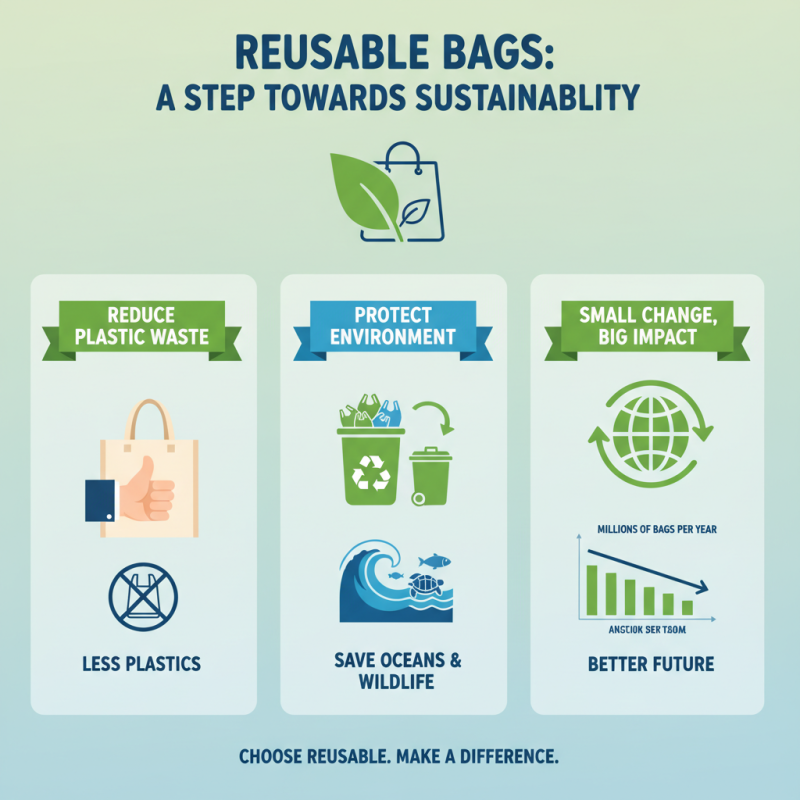
The use of reusable bags is a significant step towards a sustainable lifestyle. These bags can drastically reduce the need for single-use plastics. Each time we choose a reusable bag, we contribute to a decrease in plastic waste. This small action leads to less plastic in landfills and oceans. Every year, millions of plastic bags end up in the environment, harming wildlife and ecosystems.
Reducing our carbon footprint is not just about big policies. It involves everyday choices. Manufacturing and disposing of single-use bags consumes energy. This energy often comes from fossil fuels, leading to greenhouse gas emissions. When more people switch to reusable bags, demand for single-use options drops. This shift can lead to less energy consumption overall and a clearer environment.
However, simply using reusable bags isn’t perfect. Many people forget their bags when shopping. Some bags also require resources to produce. It’s essential to reflect on these aspects. Sustainable living is a journey, not a destination. Each choice matters, and we must keep improving.
Consumer Trends: Increasing Adoption of Sustainable Practices in Shopping
In recent years, more consumers are embracing sustainable practices when shopping. They are making conscious choices to reduce their environmental impact. One notable trend is the increasing adoption of reusable bags. These bags are not only practical but also symbolize a commitment to environmental stewardship.
Studies show that more people refuse single-use plastic bags. They bring their own bags to stores instead. This shift is not just about convenience. It reflects a deeper awareness of pollution and waste. Each reusable bag can replace hundreds of plastic ones. It's a small step that many are starting to take. Yet, some still forget to carry them or choose convenience over sustainability.
Buying a reusable bag is easy, but changing habits takes time. Many are learning that adopting sustainable shopping habits is essential. By carrying reusable bags, individuals can participate in a larger movement. This trend highlights the growing recognition of the connection between shopping choices and environmental health. However, it's crucial to keep questioning our habits and strive for more sustainable lifestyles.
Consumer Trends in Reusable Bag Adoption
This chart illustrates the increasing trend of consumer adoption of reusable bags from 2018 to 2022, highlighting the growing awareness and commitment to sustainable shopping practices.