How to Choose the Best Water Tank Filter for Your Needs?
Choosing the right Water Tank Filter is crucial for ensuring clean and safe water. With a myriad of options available, it can be daunting to find the best fit for your needs. A quality filter removes contaminants and enhances water taste, contributing to better health. However, not all filters are created equal, and their performance can vary significantly.
Understanding your specific requirements is key. Consider factors like the size of your water tank and the source of your water. Some filters target sediment, while others focus on chemicals or bacteria. The depth of filtration and maintenance needs can confuse even experienced users. Additionally, be mindful of the installation process.
This decision is not just about convenience; it impacts daily life. A mismatched filter can lead to further issues. It’s essential to weigh options carefully. Explore reviews and expert insights to make an informed choice. Investing time in research now can save trouble later, ensuring your water remains pure and enjoyable. Remember, a Water Tank Filter is more than a product; it's an essential part of your home.
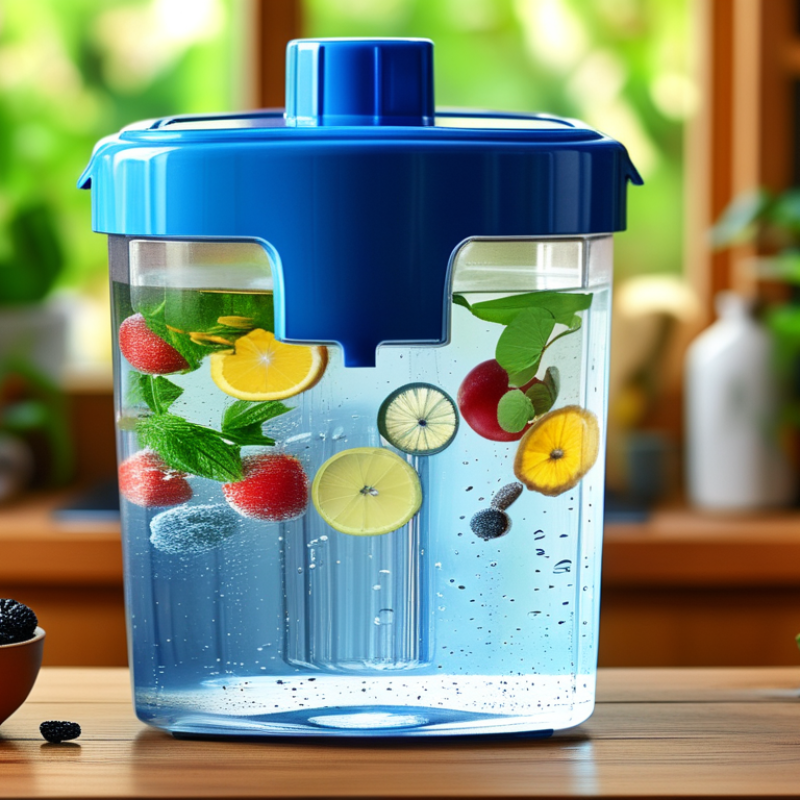
Understanding Different Types of Water Tank Filters Available
When selecting a water tank filter, understanding the different types available is crucial. There are primarily three categories: sediment filters, activated carbon filters, and reverse osmosis systems. Sediment filters remove larger particles, such as dirt and debris. They can reduce turbidity but might not improve odor or taste. Data suggests that 70% of water quality issues stem from sediment, highlighting their importance.
Activated carbon filters are another popular option. They excel in eliminating chlorine, odors, and certain chemicals. This means they can substantially improve the taste and smell of water. According to industry reports, these filters can reduce harmful contaminants by up to 99%. However, they might need frequent replacement due to saturation.
Reverse osmosis systems are the most comprehensive option, removing up to 95% of total dissolved solids. They can effectively eliminate pollutants like lead and arsenic. While they offer extensive purification, they also waste water during the filtration process.
Tip: Always consider the specific contaminants in your water supply before choosing a filter. You can obtain a water quality report from local authorities or conduct a test at home.
Another important aspect is maintenance. Filters require regular cleaning and replacement to function effectively. Neglecting this can lead to reduced water quality and efficiency. Make a schedule to check and maintain your filters.
Water Tank Filter Comparison
Key Factors to Consider When Choosing a Water Tank Filter
When selecting a water tank filter, several key factors must be considered. The quality of your water source can greatly influence your choice. According to the World Health Organization, unsafe water can cause serious health issues, making effective filtration crucial. Understanding your water's specific contaminants is vital. Many households deal with sediments, bacteria, or chemicals. Utilize water testing services to identify what needs filtration.
Tip: Regularly test your water quality to ensure your filter meets your needs.
Another factor to consider is the filter's flow rate. A slow filter can limit water usage. It's important to choose a filter that provides adequate flow while still efficiently removing harmful particles. Research indicates that filters with a capacity of at least 3 gallons per minute can effectively serve a family’s needs.
Tip: When shopping, compare the flow rates to ensure your choice will meet daily demands.
Compatibility with your tank is also essential. Not all filters fit every tank type. This mismatch can lead to inefficiencies and water issues. Double-check the specifications before making a decision. It’s a common area where many consumers make mistakes, often leading to regrets later on.
Tip: Always consult a professional if you're uncertain about compatibility.
How to Assess Your Water Quality Before Selecting a Filter
Assessing your water quality is crucial when choosing the right water tank filter. Start by collecting a water sample from your tank. You can send it to a lab for a detailed analysis. Look for common contaminants, such as bacteria, heavy metals, and chlorine. Understanding what’s in your water helps in selecting an effective filter.
Consider the hardness of your water, too. Hard water can lead to scale buildup. This can affect your appliances and fixtures. You might also want to assess the taste and odor. These indicators often point to specific issues. Trusting the water quality report can guide you, but it’s not always complete. Sometimes, you may notice issues that tests do not reveal. Regularly testing your water ensures that your chosen filter meets your needs effectively.
Comparing Filter Brands and Models: Features and Durability
When selecting a water tank filter, it’s essential to compare various filter brands and models. Each option brings unique features that cater to different needs. For instance, some filters emphasize removing chlorine and sediment, while others focus on UV purification. The choice will significantly impact performance and maintenance.
Durability is another crucial factor. A 2021 industry report indicated that filters with ceramic elements can last up to five years. In contrast, carbon filters often require replacement every six months. Users must consider these timelines and the cost implications. Reviews of different models show that costly filters sometimes fail to outperform more affordable options. Ensuring the filter suits your specific water quality is vital for effective filtration.
An additional aspect to consider is user feedback. Many consumers report issues with installation or unexpected maintenance needs. Some filters might be easy to install, while others require professional help, which adds to overall costs. Reflections on these experiences can help potential buyers avoid common pitfalls. Make a choice that not only fits your budget but also guarantees longevity and effective filtration.
How to Choose the Best Water Tank Filter for Your Needs? - Comparing Filter Brands and Models: Features and Durability
| Filter Model | Filtration Type | Flow Rate (GPH) | Lifespan (Months) | Durability Rating |
| Model A | Activated Carbon | 10 | 6 | High |
| Model B | Reverse Osmosis | 15 | 12 | Medium |
| Model C | Ceramic | 8 | 24 | Very High |
| Model D | Sediment | 12 | 9 | Medium |
| Model E | UV Filter | 20 | 18 | High |
Maintenance Tips for Your Water Tank Filter Selection
Choosing the right water tank filter involves understanding your specific needs. Regular maintenance is key to ensuring optimal performance. Filters can become clogged or damaged over time. You should inspect them regularly for signs of wear. Look for sediment buildup or discoloration in the water. These indicators help assess filter efficiency.
Cleaning your water filter is essential. Follow the manufacturer’s recommendations for cleaning intervals. Some filters need rinsing, while others may require complete replacement. If you're unsure, consult an expert. Creating a maintenance log can help track cleaning schedules and performance issues.
Sometimes, you may forget to check your filters. This can lead to larger problems, such as poor water quality. When in doubt, seek professional advice. Water quality is crucial for health. Make sure you're proactive in filter maintenance to avoid complications later.