2026 How to Choose the Best Debris Bag for Global Buyers

Choosing the right Debris Bag in 2026 requires more than comparing prices or printed load ratings. Global buyers face different debris types, climates, handling systems, and delivery conditions. A bag that performs well on a dry construction site may fail under wet soil, sharp concrete, or repeated lifting. Material thickness matters. So do stitching, handles, closure design, and UV resistance.

This guide examines practical criteria used by experienced purchasing teams and site supervisors. It considers woven polypropylene, recycled materials, reusable options, and disposable solutions. Real performance should be checked through supplier samples, test reports, and clear production specifications. Ask how the bag was tested, not only what the catalog promises. A reliable supplier should explain safe working load, dimensions, tolerances, packaging, and quality-control procedures. Small details matter, such as reinforced corners and handles that do not twist under pressure. Very practical.

International buyers should also review destination requirements, labeling expectations, recycling pathways, and transport limitations before placing large orders. Requirements can vary between regions and even between projects. No checklist is perfect. I have seen buyers focus on capacity while overlooking storage humidity, forklift handling, or sharp-edged waste. That mistake can increase damage, labor time, and total cost. The best Debris Bag is not simply the strongest product. It is the safest, most suitable, and most consistently supplied option for a defined job. Careful comparison creates confidence, but flexible thinking remains necessary when site conditions change.
2026 How to Choose the Best Debris Bag for Global Buyers

What Is a Debris Bag and Why Does the Right Choice Matter?

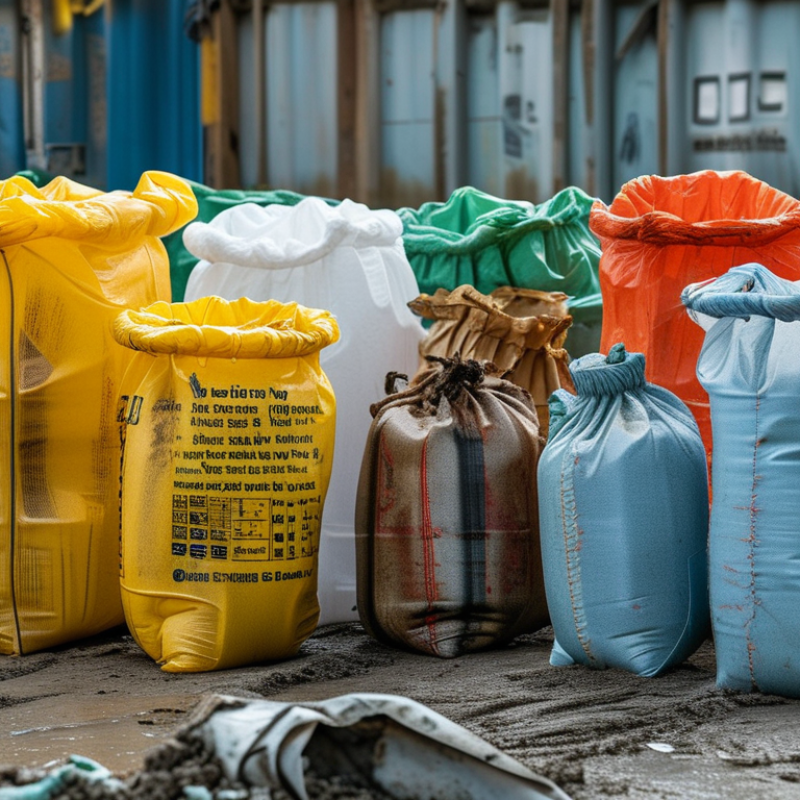
A debris bag is a heavy-duty container for collecting and moving construction, renovation, landscaping, or industrial waste. Unlike ordinary trash bags, it is designed for rough materials and repeated handling. It may hold broken drywall, wood pieces, packaging waste, or garden debris. Its value becomes clear when cleanup is dusty, sharp, wet, or frequent. The right bag protects hands, reduces spills, and makes lifting more controlled. Fit matters.

Global buyers should examine fabric strength, stitching, handle design, and rated capacity. Woven polypropylene often suits rough debris because it resists tearing under normal use. A reinforced base helps when rubble presses against corners. Coated fabric can resist moisture, but it does not make the bag waterproof. Check dimensions against doors, elevators, pallets, and collection equipment. A large bag is not always better. An overloaded container can tear, strain workers, or become difficult to move. Capacity labels need practical testing, not blind trust.

Ask for sample bags and test them with the actual waste mix. Watch the seams during lifting, especially when concrete fragments or metal edges are present. Folded storage also matters during overseas transport and crowded job sites. Clear material specifications, load guidance, and inspection records support reliable purchasing. I have seen buyers focus on unit price and overlook handle comfort. That decision often costs time. Still, no specification predicts every site condition. Weather, loading habits, and worker technique can change performance.
How to Match Debris Bag Types with Different Waste Materials

Matching a debris bag to the waste material prevents torn seams, leaks, and unsafe lifting. For broken brick, concrete, and ceramic tile, choose a heavy-duty woven bag with reinforced handles. Check its load rating, fabric density, and stitching quality. Sharp edges can cut ordinary plastic quickly. Do not overfill it.

Wet soil, damp plaster, and organic debris need a leak-resistant inner layer. A polyethylene liner can reduce seepage, but it cannot repair weak outer fabric. Drywall, insulation, and cardboard usually need more volume than extreme strength. A wider bag may improve loading efficiency and reduce unnecessary compression.

Metal scraps require puncture resistance and careful weight control. Small pieces still become heavy.

On construction sites, I have seen buyers focus on capacity and overlook handling conditions. That is an expensive mistake. Bags stored under sunlight may become brittle, especially in hot climates. In cold regions, some plastics lose flexibility. For international purchasing, review storage temperature, transport exposure, closure style, and lifting method. Confirm whether the bag is designed for single use or repeated handling. A simple drop test with the intended waste can reveal weak corners before shipment. Still, one test is not enough. Waste density changes from site to site, so selection should remain cautious and evidence-based. Always separate materials according to local disposal requirements.

Which Materials, Sizes, and Load Ratings Should Buyers Compare?

Choosing a debris bag starts with its material, not its advertised capacity. Woven polypropylene suits masonry, timber, and sharp renovation waste. Its laminated surface can resist light moisture and dusty handling. Heavy-duty polyethylene offers flexibility and better puncture resistance for mixed debris. Canvas feels durable, but it may absorb water and become difficult to clean. I would request fabric weight, seam details, and lifting-loop construction before comparing prices.

Size affects both safety and transport efficiency. A narrow bag fits tight corridors, while a wider opening helps crews load broken tiles quickly. Measure the intended pallet or container space first. An oversized bag may become unstable before reaching its volume limit. For international purchases, confirm dimensions in both metric units and actual filled conditions. Product drawings are useful, but field measurements can differ.

Load ratings deserve careful attention. Separate the safe working load from the bag’s breaking strength. A bag marked for 1,000 kilograms should not automatically carry that weight on every site. Uneven rubble, sharp edges, wet soil, and repeated lifting can reduce performance. Ask for test reports, safety factors, and instructions for forklift or crane handling. Check whether ratings apply to single-use or reusable service. This detail is often missed. In practice, buyers sometimes select the strongest fabric and ignore poor stitching. That is an expensive lesson. Reliable suppliers should explain limits clearly, provide traceable specifications, and disclose conditions that reduce the rated load.

2026 How to Choose the Best Debris Bag for Global Buyers - Which Materials, Sizes, and Load Ratings Should Buyers Compare?
Bag Material Typical Construction Common Size
(Approx.)
Approx. Capacity Typical Rated Load Suitable Debris Main Advantages Limitations to Check Useful Buyer Specifications
Woven Polypropylene (PP) Flat-woven fabric, usually laminated or coated; commonly 100–180 g/m² 24 × 36 in
(61 × 91 cm)
Approximately 90–110 L 20–35 kg Dry construction waste, wood pieces, packaging waste, garden debris Good tear resistance, reusable potential, light weight, and strong performance for general cleanup Uncoated fabric may allow fine dust to escape; sharp metal or glass can damage the weave Fabric weight, weave density, seam strength, handle design, UV resistance, and coating type
Heavy-Duty Woven Polypropylene Reinforced woven PP, often 160–250 g/m² with stitched lifting loops or reinforced seams 30 × 40 in
(76 × 102 cm)
Approximately 170–200 L 35–50 kg Bricks, plasterboard, concrete fragments, roofing waste, dense landscaping debris Higher puncture resistance and better handling for dense loads than standard lightweight bags Higher material cost; the bag may be overloaded if volume is mistaken for safe weight capacity Safe working load, seam construction, lifting-loop strength, bottom reinforcement, and test method
Low-Density Polyethylene (LDPE) Flexible plastic film, commonly 80–200 micrometres thick; gusseted or flat construction 26 × 38 in
(66 × 97 cm)
Approximately 100–130 L 15–30 kg Wet waste, soil, leaves, insulation, dusty materials, and mixed light debris Water-resistant, easy to close, and suitable when containment of moisture or fine particles is important Can puncture or split when filled with sharp rubble; performance changes significantly with film thickness Film thickness, puncture resistance, tear resistance, seal quality, recycled content, and closure type
Reinforced Polyethylene Film Multi-layer or scrim-reinforced polyethylene, commonly 150–300 micrometres thick 36 × 48 in
(91 × 122 cm)
Approximately 300–350 L 30–45 kg Wet renovation waste, insulation, soil, bulky lightweight debris, and weather-exposed cleanup Improved moisture protection and tear resistance compared with ordinary thin film bags Usually less breathable; trapped moisture can increase weight and complicate disposal Layer structure, scrim material, puncture rating, UV exposure limit, and temperature range
Multi-Wall Kraft Paper Two or more paper layers, sometimes with a moisture-resistant inner layer 26 × 38 in
(66 × 97 cm)
Approximately 100–120 L 15–25 kg Dry leaves, sawdust, light packaging waste, dry insulation, and lightweight renovation debris Good printability and fiber-based construction; suitable for dry waste streams where local rules permit Weakens when wet and is unsuitable for sharp, very dense, or liquid-containing debris Paper basis weight, number of plies, moisture resistance, burst strength, and recycling requirements
Woven High-Density Polyethylene (HDPE) High-strength woven fabric, often with coated surfaces and reinforced lifting points 40 × 60 in
(102 × 152 cm)
Approximately 500–600 L 50–75 kg Large-volume garden waste, bulky light construction waste, branches, and site-cleanup materials Large capacity, good dimensional stability, and strong resistance to repeated handling Bulky when empty; high loads require suitable lifting equipment and verified lifting-point ratings Safe working load, lifting-loop configuration, fabric weight, base reinforcement, and handling instructions
Geotextile-Style Synthetic Fabric Needle-punched or woven synthetic fabric, commonly selected for airflow and soil handling 30 × 40 in
(76 × 102 cm)
Approximately 150–190 L 25–40 kg Soil, sand, mulch, aggregate, drainage materials, and landscaping waste Breathable, flexible, and useful for damp soil or materials that should drain during handling Not liquid-tight; fine dust may pass through depending on fabric opening size Fabric type, apparent opening size, drainage rate, seam strength, UV resistance, and load rating
Buyer note: Capacities and load ratings are typical comparison ranges, not universal guarantees. Actual performance depends on bag dimensions, fill shape, material density, moisture content, seam design, lifting method, and local safety regulations. Always confirm the supplier's tested safe working load and disposal requirements before purchase.

How to Evaluate Safety, Durability, Compliance, and Environmental Impact

2026 How to Choose the Best Debris Bag for Global Buyers

How to Evaluate Safety, Durability, Compliance, and Environmental Impact

A reliable debris bag begins with a verified load rating, not a generous-looking size. Check the fabric weight, lifting-loop strength, seam construction, and safe working load. Fit matters. A bag packed beyond its rating can tear during lifting, even when the material feels thick. Practical inspections should include sharp rubble, wet soil, exposed nails, and repeated handling. Look for reinforced corners, protected stitching, and clear warning labels.

Durability depends on the working environment. UV exposure can weaken polypropylene fabric during outdoor storage. Moisture may increase weight and strain the loops. Ask for test reports covering tensile strength, seam performance, and puncture resistance. Compliance is not a single global badge. Buyers should confirm destination-market requirements for labeling, packaging, transport, and waste handling. Documents must match the actual product, including dimensions and load limits.

Environmental impact needs a wider view. A reusable bag may reduce replacement waste, but only if it survives several safe cycles. A lightweight bag can use fewer resources, yet fail early and create more waste. Not always. Check whether the material is recyclable through realistic local channels, rather than relying on vague recycling claims. Recycled content is useful, but traceability matters. I would also question suppliers who provide perfect figures without test dates, sample details, or limitations. Good purchasing decisions leave room for doubt. That doubt encourages better verification.

How to Select Reliable Suppliers and Manage Global Purchasing Risks

Global buyers need debris bags that match real working conditions, not just attractive catalog images.

Start with the debris type, expected load, lifting method, and storage environment. A renovation site may need puncture resistance, while garden waste requires breathable fabric. Measure the bag’s dimensions carefully. A small mismatch can cause unsafe overloading.

Reliable suppliers provide clear material specifications, test records, and traceable production batches. Ask for samples before discussing large orders. Test the seams, handles, stitching, and base on a controlled site.

Fill each sample with realistic debris, then lift it several times. Record weight, damage, and handling comfort. Ask whether the factory controls raw material thickness and checks every production lot.

Vague answers deserve caution. Factory photos help, but they are not proof.

Global purchasing also involves shipping delays, currency changes, customs documents, and inconsistent packaging. Confirm lead times in writing, including inspection and loading dates. Use a third-party inspection when the order is important.

Specify acceptable defects, carton labels, moisture protection, and replacement procedures. Keep all technical details in one approved document. No checklist is perfect.

I once trusted a strong sample too quickly and overlooked weak carton protection. The bags arrived usable, but several were dirty and difficult to store. Small details can become real costs.

Article Source:

Call Now Button