How to Choose the Best Stand Up Bags for Your Business Needs?
In today's competitive market, choosing the right packaging is crucial for business success. Stand Up Bags have gained popularity, thanks to their versatility and functionality. Research shows that 73% of consumers prefer products in stand up bags due to their convenience and shelf appeal. This statistic underscores the significance of selecting the appropriate stand up bags for your business.
When selecting stand up bags, businesses should consider various factors. Material quality plays a vital role in product protection and branding. The global flexible packaging market is projected to reach $500 billion by 2028, emphasizing the need for durable and attractive packaging solutions. However, the decision-making process can be overwhelming. There are numerous options available, each with different features.
Reflecting on your business's unique requirements is essential. Not all stand up bags will suit every product. For instance, consider the type of product you sell and its shelf life. Embracing this complexity can lead to better choices in packaging, enhancing customer satisfaction and brand loyalty.
Understanding the Functionality of Stand Up Bags in Packaging Industry
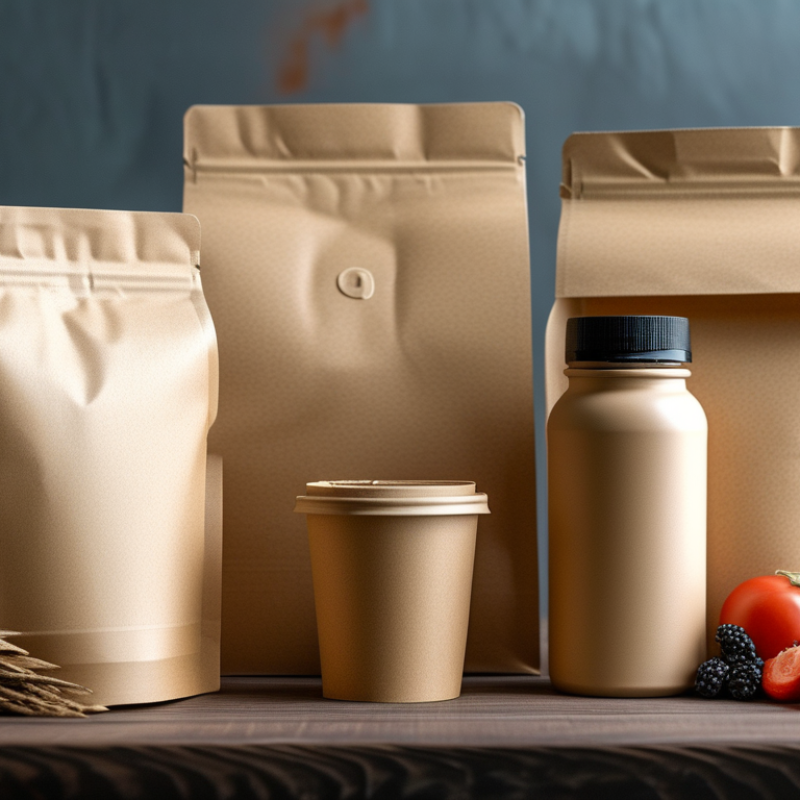
Stand-up bags have gained popularity in the packaging industry due to their versatility. Their design allows them to stand upright, making them ideal for displaying products. This feature appeals to businesses aiming for effective shelf presence. Additionally, these bags often come with resealable zippers, enhancing convenience for consumers. This functionality helps keep products fresh and encourages repeat purchases.
Considering the functionality of stand-up bags is crucial for businesses. These bags are lightweight, which reduces shipping costs. They also provide excellent barrier properties, protecting contents from moisture and air. However, choosing the right materials for your specific product can be challenging. Not all materials offer the same level of protection or visual appeal. It's essential to understand your product's needs before making a decision.
Furthermore, sustainability is becoming a significant factor in packaging choices. Consumers increasingly prefer eco-friendly options. This shift can lead to confusion about which materials are truly sustainable. Finding reliable suppliers who prioritize environmental impact is necessary. Businesses must balance functionality and eco-responsibility while meeting customer expectations.
Evaluating Different Materials: Plastic vs. Paper Stand Up Bags
When selecting stand-up bags for your business, evaluating materials is crucial. Plastic and paper each have unique features affecting usability and sustainability. Plastic bags are durable and impermeable, ensuring product freshness. They are ideal for food items and liquids. However, they often raise environmental concerns.
Paper stand-up bags present a more sustainable option. They are biodegradable and recyclable. These bags can convey a brand's commitment to eco-friendliness. However, they might not be suitable for all products, especially those that need moisture protection.
Tips: Consider the target audience. Are they environmentally conscious? If so, paper might be the way to go. Assess your products. Do they need physical protection? If yes, plastic could be more effective. Also, reflect on marketing values. How do your packaging choices align with your brand image? These factors are essential in making the right decision.
Analyzing Size Options: How to Determine the Right Dimensions for Products
Choosing the right size for stand-up bags is crucial for any business. The dimensions of your packaging impact how products are perceived and function. A bag that's too large can lead to wasted space. Conversely, a bag that is too small may compromise product integrity.
When assessing size options, consider your product's dimensions and weight. Measure your items accurately to avoid miscalculations. Speak with suppliers about their standard sizes. They might offer insights on which dimensions have proven effective in the market.
**Tips:** Use a prototype to test fit and durability. This will help identify potential issues. Remember to account for any additional items, like labels or seals, in your size calculations. Not all bags will suit every product, so flexibility is key.
If you’re still unsure, solicit feedback from customers. Their experiences can highlight shortcomings and opportunities. Adjusting your approach based on real-world data can enhance customer satisfaction. Every detail matters when it comes to ensuring your product stands out in a competitive market.
Sustainability Considerations: Eco-friendly Stand Up Bag Solutions
Sustainability is becoming a pivotal concern for businesses today. Eco-friendly stand-up bags offer a viable solution. These bags can be made from biodegradable materials or recycled plastics. They reduce environmental impact and appeal to eco-conscious consumers. Choosing such bags can enhance your brand’s image.
When selecting stand-up bags, consider the materials used. Look for options that are compostable or made from renewable resources. This supports a circular economy. Also, consider the bag's design. A well-designed bag minimizes waste and maximizes shelf-life. Evaluate its ability to protect contents from moisture and light.
However, reflect on the compromises you might face. Some eco-friendly materials may cost more upfront. Availability can also be an issue and could slow down production. Balancing sustainability with budget constraints requires careful thought. It’s essential to weigh the long-term benefits against immediate costs.
Cost Analysis: Budgeting for Quality Stand Up Bags in Your Business
When considering stand-up bags for your business, cost analysis is crucial. The right packaging affects customer perception and brand loyalty. A recent study by the Flexible Packaging Association shows that flexible packaging options like stand-up bags can cut material costs by 20% compared to traditional rigid containers. This may seem appealing, but factor in quality. A lower initial price might mean reduced durability or a less appealing aesthetic.
Budgeting for quality stand-up bags requires a careful evaluation of your target market. If your product is premium, investing in high-quality materials can significantly influence market performance. Research indicates that consumers are 65% more likely to repurchase products that come in attractive, high-quality packaging. Your budget should reflect this correlation between packaging quality and consumer satisfaction. Price ranges can vary widely, so aiming for cost-effective solutions while ensuring quality is key.
Consider not just the upfront costs, but also the long-term value of your choices. Durable bags may cost more now but can lead to reduced shipping expenses and fewer product losses. Evaluate your supply chain and potential waste. Balancing short-term expenses with long-term benefits can create a more sustainable approach. Remember, not all cheap options are valuable, and often, you get what you pay for.