Choosing the right Shopping Bags is more than selecting a color, size, or low price. The bag carries products, but it also carries your brand’s reputation. A thin handle can fail beside the checkout counter. A poor fit can damage boxed goods, bottles, or folded clothing. Small details matter.
Philip Kotler, a leading marketing scholar, has described packaging as “the fifth P of marketing.” His point applies directly to Shopping Bags. A well-chosen bag can extend your visual identity beyond the store. It may also improve convenience, repeat recognition, and customer confidence. However, appearance alone is not enough. Material strength, handle comfort, storage space, printing quality, and disposal information deserve equal attention.
Your decision should begin with real customer behavior. Watch how shoppers carry bags through parking areas, public transport, or crowded streets. Ask whether the bag remains comfortable after ten minutes. Test weight, moisture exposure, folding, and repeated handling. A boutique may need a refined paper bag with reinforced rope handles. A grocery business may need stronger construction and practical dimensions. A delivery-focused brand may prioritize compact storage and reliable sealing.
There is no perfect bag.
Budget pressure can make weak choices seem attractive. A cheaper unit may create replacement costs, product damage, or an inconsistent customer experience. Sustainability claims also require careful checking. Confirm recycled content, certifications, supplier documentation, and local disposal guidance. I may overvalue appearance when handling tells the real story. That is why sample testing matters. Test before scaling. The right Shopping Bags should protect products, represent your standards, and work naturally in customers’ hands.
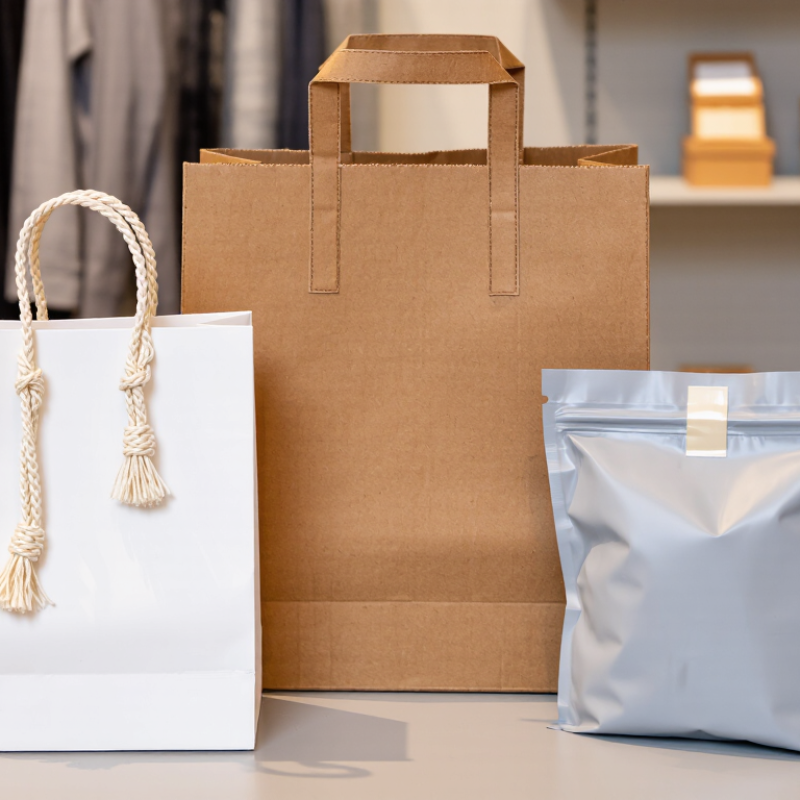
Choosing the right shopping bag starts with your operation, not appearance. Define your products, average weight, moisture, temperature, and handling time. A bakery needs grease resistance, while a bookstore needs stiffness and clean presentation. Measure daily checkout volume, including busy weekends and seasonal peaks.
The U.S. Environmental Protection Agency reported 82.2 million tons of containers and packaging in municipal waste in 2018. That figure makes material efficiency a practical operating issue, not decoration.
Ask whether customers carry bags for five minutes or several hours. Small detail, big difference.
Set a load target using actual products, not a supplier’s general estimate. Test handles with filled bags, wet counters, and carefully packed items. Paper, reusable textile, and compostable materials behave differently.
The OECD’s Global Plastics Outlook estimated 353 million tonnes of global plastic waste in 2019. This does not automatically make every alternative better.
Check recycled content, recovery routes, printing, storage space, and unit cost. ISO 18601 connects packaging design with resource optimization and environmental performance. Ask local waste operators what they actually accept.
I once treated “reusable” as a complete answer. It was not.
A heavier bag may need repeated use, or simply create more material. Choose dimensions that fit your basket, handle length, closure, and staff workflow. Then run a small pilot and record failures. Good requirements are measurable.
How to Choose the Right Shopping Bags for Your Business?
Material affects durability, appearance, cost, and environmental performance. Paper bags suit bakeries, boutiques, and lightweight purchases. Choose kraft paper with reinforced handles and a broad base for better stability. Plastic bags resist moisture and often carry heavier items, but their environmental impact requires careful consideration. Reusable polypropylene bags offer stronger performance for repeated shopping trips. The UK Environment Agency’s life-cycle assessment found that a non-woven polypropylene bag needed about 11 uses to match a conventional single-use plastic bag. Cotton required about 131 uses. These figures vary with production, transport, and disposal methods.
Size must match the customer’s real basket. A small 8-by-10-inch bag may fit cosmetics but fail with boxed goods. Medium bags around 12-by-15 inches suit clothing and takeaway orders. Large bags need wider gussets, stronger handles, and a reinforced bottom. Carrying strength depends on paper thickness, handle attachment, seam quality, and load distribution. The International Safe Transit Association recommends testing packaging under realistic handling conditions. Do not trust appearance alone. A thick bag can still tear at the handle.
Tips: Test each bag with 1.5 times its usual load for ten minutes. Add a folded base insert for bottles or jars. Record failures, including dampness and handle stretching. The result may challenge your first choice. A cheaper bag is not always cheaper after replacements and customer complaints.
| Bag Material | Typical Sizes | Approximate Carrying Strength | Water Resistance | Reusability | Environmental Considerations | Best Uses | Cost Level |
|---|---|---|---|---|---|---|---|
| Paper, standard kraft | Small: 18 × 8 × 22 cm Medium: 26 × 12 × 35 cm Large: 32 × 16 × 42 cm |
Approximately 2–6 kg, depending on paper weight, gusset design, and handle construction. | Low. Paper can soften or tear when exposed to moisture. | Usually suitable for 1–3 uses when kept dry and handled carefully. | Widely recyclable where paper recycling is available; commonly made with renewable fiber. | Takeaway food, bakeries, boutiques, books, and lightweight retail items. | Low |
| Paper, reinforced or laminated | Medium: 26 × 12 × 35 cm Large: 32 × 16 × 42 cm Extra large: 45 × 18 × 48 cm |
Approximately 4–10 kg with reinforced bases, twisted-paper handles, or stronger paper grades. | Moderate. Lamination improves resistance to light splashes but may affect recyclability. | Commonly suitable for several uses if the bag remains dry and the base is not overloaded. | Paper fiber is recyclable; plastic-film lamination can make recycling more difficult. | Gift shops, clothing stores, cosmetics, premium food packaging, and promotional retail. | Low to medium |
| Non-woven polypropylene | Small: 25 × 10 × 30 cm Medium: 35 × 12 × 40 cm Large: 45 × 15 × 50 cm |
Approximately 5–15 kg, depending on fabric weight, stitching, and handle attachment. | Good. The material resists light rain and surface moisture. | Often suitable for repeated use, commonly around 20–50 uses with normal care. | Durable and reusable, but made from plastic fiber and not accepted in every recycling system. | Supermarkets, conferences, apparel, household goods, and event distribution. | Low to medium |
| Woven polypropylene | Medium: 35 × 15 × 40 cm Large: 45 × 18 × 50 cm Extra large: 55 × 20 × 60 cm |
Approximately 10–25 kg when the seams, handles, and base are reinforced. | Good to very good. Woven plastic fabric tolerates moisture better than paper. | Highly reusable; service life can range from several months to multiple years depending on use. | Strong and lightweight, but plastic-based; recycling depends on local collection facilities. | Bulk groceries, hardware, garden supplies, books, and heavy retail products. | Medium |
| Recycled PET fabric | Small: 25 × 10 × 30 cm Medium: 35 × 12 × 40 cm Large: 45 × 15 × 50 cm |
Approximately 5–15 kg, depending on fabric density and construction. | Good. The fabric generally handles light moisture and can be wiped clean. | Suitable for repeated use, often around 30–100 uses with proper care. | Uses recycled plastic content and extends material life; end-of-life recycling varies by region. | Retail promotions, conferences, apparel, travel goods, and reusable shopping programs. | Medium |
| Cotton canvas | Small: 25 × 10 × 30 cm Medium: 35 × 12 × 40 cm Large: 45 × 15 × 50 cm |
Approximately 8–20 kg, depending on fabric weight, stitching, and handle length. | Moderate to low unless treated; cotton absorbs water and may shrink or stain. | Highly reusable; a well-made bag can last for many months or years. | Reusable and repairable, but cotton farming requires land and water; washing also consumes resources. | Fashion retail, bookstores, farmers’ markets, premium merchandise, and everyday shopping. | Medium to high |
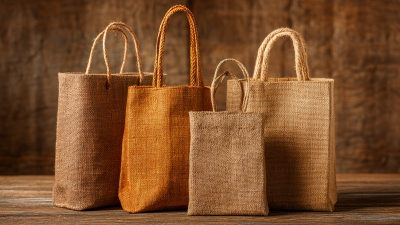
| Jute or burlap | Medium: 30 × 12 × 38 cm Large: 40 × 15 × 45 cm Extra large: 50 × 18 × 55 cm |
Approximately 8–18 kg when lined or fitted with reinforced handles and a firm base. | Low to moderate. Prolonged moisture can weaken natural fibers and cause odor or mildew. | Reusable for repeated dry-goods shopping when stored in a dry place. | Plant-based and biodegradable under suitable conditions; natural fibers may shed and require careful storage. | Farm shops, gift packaging, specialty foods, eco-themed retail, and corporate merchandise. | Medium to high |
| Durable polyethylene reusable bag | Medium: 30 × 12 × 40 cm Large: 40 × 15 × 50 cm Extra large: 50 × 20 × 60 cm |
Approximately 8–20 kg, depending on thickness, welded seams, and handle design. | Very good. Polyethylene provides strong resistance to water and spills. | Designed for repeated use; actual service life depends on thickness and load frequency. | Long-lasting and lightweight, but petroleum-based and not accepted in all curbside recycling programs. | Groceries, cleaning products, household goods, outdoor supplies, and wet or spill-prone items. | Low to medium |
Note: Carrying-strength figures are practical approximate ranges, not certified load ratings. Actual performance depends on material thickness, bag dimensions, gusset depth, handle attachment, stitching or seams, base reinforcement, and how the weight is distributed.
How to Choose the Right Shopping Bags for Your Business?
A shopping bag is more than packaging. It carries your visual identity through streets, offices, and homes. Choose colors that match your brand, but test them under natural and store lighting. A shade that looks elegant on screen may appear dull in print. Clear logos, readable text, and balanced spacing improve recognition. Do not overcrowd the surface with every message. Customers notice clutter quickly.
Design should also support a comfortable experience. Select a bag size that fits common purchases without wasting material. Strong handles matter when products are heavy or have sharp edges. Soft-touch paper can feel premium, while recycled paper may communicate practical values. However, texture alone does not prove quality. Check samples, fold the base, and carry realistic weight before ordering. I have seen attractive bags fail because their handles loosened after several uses. That mistake is easy to overlook.
Tips: Ask customers and staff to test the bag. Observe how they hold it, store it, and reuse it. Keep essential information visible from a normal distance. Review print accuracy, handle strength, and delivery consistency with your supplier. A small pilot order can reveal weaknesses before a large purchase. It may feel slower, but replacing unsuitable bags costs more. Also, avoid designing only for appearance. The best choice often looks simple, works reliably, and feels right in the customer’s hand.
Evaluate branding, design, and customer experience using a practical decision-priority framework.
The highest priorities are durability, suitable size, and comfortable handles because they directly affect product protection and ease of use. Print quality and visual design support brand recognition, while material sustainability and unit cost help align the bag choice with operational and environmental goals. Use these weighted priorities as a starting point and adjust them according to your products, customers, and budget.
How to Choose the Right Shopping Bags for Your Business?
Sustainability starts with the bag’s full life cycle, not its material alone. A paper bag may seem responsible, but poor fiber sourcing can weaken that choice. Plastic alternatives also need careful review. Some require industrial composting facilities that customers cannot easily access. In packaging assessments, I examine production, transport, use, and disposal together. That process often reveals uncomfortable trade-offs.
Regulations vary by country, region, and sometimes city. Check requirements for thickness, recycled content, labeling, and waste collection. Keep supplier certificates and testing records available. Do not rely on vague claims such as “green” or “eco-friendly.” Ask for evidence instead. Rules can change. Verify current guidance with the relevant local authority before printing thousands of bags.
Reusable bags can reduce waste when customers actually reuse them. A strong handle, washable surface, and practical size support repeated use. However, a thick bag is not automatically sustainable. It may need many shopping trips to offset its higher material footprint. I once favored durability without reviewing customer habits. That assumption failed. A lighter reusable option performed better in that setting. Consider return incentives, storage space, cleaning needs, and realistic reuse rates before choosing.
Calculate every cost before comparing supplier prices. The unit price is only one part of the decision. Add printing setup, samples, packaging, freight, storage, and possible defects. A bag quoted at $0.18 may cost $0.27 after delivery. That gap matters.
Ask each supplier for the same specifications. Confirm size, material thickness, handle strength, color limits, production time, and minimum order quantity. Request a physical sample before approving production. Test it with typical purchases, such as two glass bottles or a boxed sweater. Check the seams and handles. Small failures become expensive complaints. A reliable supplier should provide clear quotations, inspection details, and realistic lead times. Avoid promises that sound perfect.
Calculate order quantities from actual sales records. Divide recent bag usage by selling days to find daily demand. Multiply that figure by the supplier’s lead time, then add a modest safety stock.
For example, a store using 45 bags daily may need 900 bags for a 20-day lead time. Add 10 percent only when storage space and cash flow allow it.
My first estimate ignored seasonal events and overstocked plain bags. That mistake tied up money for months. Review usage monthly, especially after promotions or location changes. Keep it simple. Reorder before the last carton, not after it.