10 Tips for Choosing Machinery CNC Parts
Choosing the right Machinery Cnc Parts can determine whether a production line runs smoothly or loses hours to rework. A polished surface may look convincing, yet hidden tolerance errors can cause poor assembly, vibration, or early wear. This guide introduces ten practical tips for evaluating materials, dimensions, tolerances, surface finishes, machine compatibility, tooling, supplier capability, quality records, delivery schedules, and total cost.
Small details matter. A 0.02 mm deviation may affect an entire assembly. A weak alloy may fail under repeated pressure. Before ordering, compare the part drawing with the machine’s actual operating conditions. Check whether the supplier uses calibrated measuring tools, documented inspection procedures, and suitable CNC equipment. Certifications can support trust, but they do not replace clear communication or sample verification.
W. Edwards Deming, a respected manufacturing quality authority, offered a useful warning: “Quality comes not from inspection, but from the improvement of the production process.” That principle applies directly to Machinery Cnc Parts. Inspection catches problems. Process control prevents more of them. Still, no supplier is perfect, and every buyer should question assumptions, including their own. I have seen low prices appear attractive until shipping delays and rejected batches changed the calculation. A careful decision considers performance over time, not only the first invoice. These ten tips provide a practical starting point for choosing dependable CNC parts with greater confidence.
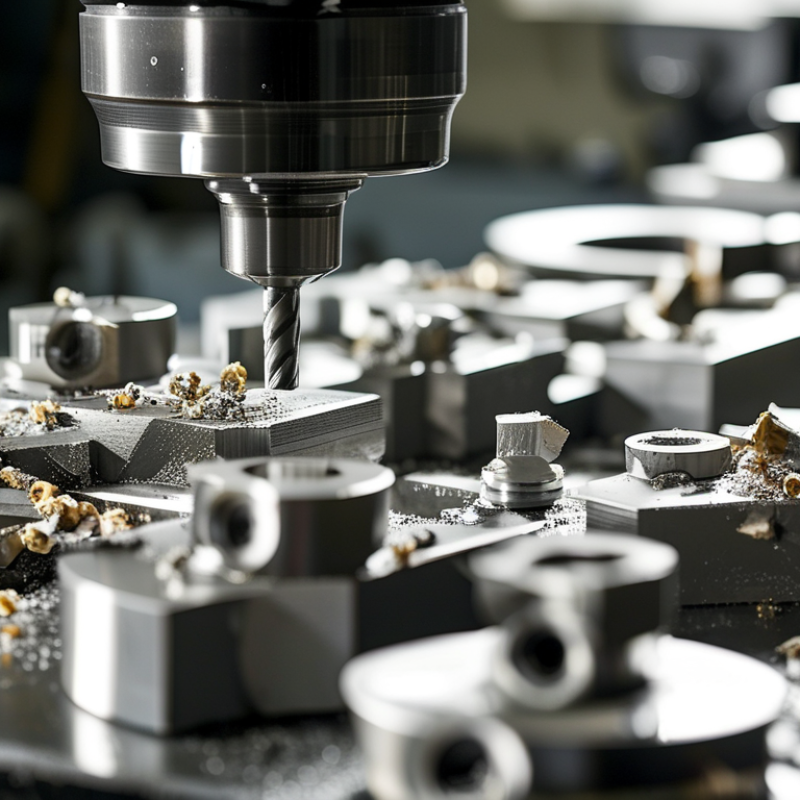
Understanding CNC Part Specifications and Machine Compatibility
Choosing CNC machinery parts is less about appearance and more about verified compatibility. A part may fit the drawing yet fail during production. Check its material, dimensions, tolerance, surface finish, thread type, and heat-treatment requirements. These details affect cutting force, wear, and final accuracy. I once overlooked a small tolerance change on a mounting plate. The part installed correctly, but vibration increased during machining.
Tip: Read every specification line.
Machine compatibility requires a wider view. Compare the part’s dimensions with the machine’s working envelope, spindle capacity, tooling system, and fixture space. Confirm the required axis movement and clamping method. For replacement components, inspect the interface carefully. Hole spacing, datum position, shaft diameter, and connection style must match existing equipment. A difference of one millimeter can stop installation.
Tip: Measure the machine, not only the catalog.
Experienced technicians also review operating conditions. Consider temperature, coolant exposure, cutting speed, load direction, and maintenance access. Ask whether the selected material suits repeated cycles, not just a single test. Supplier drawings, inspection records, and traceable measurements improve reliability. Still, specifications can contain errors. Recheck critical figures with calipers, gauges, or a coordinate measuring machine before ordering. A practical trial may reveal a weakness that paperwork misses. Reflect on failed parts; they often expose unclear assumptions.
10 Tips for Choosing Machinery CNC Parts
Understanding CNC Part Specifications and Machine Compatibility
Cutting-speed compatibility is an important check when selecting CNC parts and machinery. The chart shows typical carbide-milling cutting-speed ranges for common materials. Actual values depend on tool diameter, insert geometry, workpiece hardness, coolant, and machine rigidity.
Comparing Tolerances, Surface Finishes, and Expected Performance
10 Tips for Choosing Machinery CNC Parts
Tolerance should match the function, not the supplier’s maximum capability. ISO 286-1 tables show that an IT7 tolerance for a 10–18 mm feature is roughly 18 micrometres. That precision may suit a bearing seat, but it can waste money on a protective cover. I compare the mating parts, temperature changes, and inspection method before selecting a grade. A tight drawing without a stable measurement plan is only false confidence.
Surface finish directly affects friction, sealing, fatigue, and cleaning. ASME B46.1 defines Ra as the average surface roughness, while common CNC specifications range from about 0.8 to 3.2 micrometres for functional machined faces. A 0.8 μm Ra finish may reduce leakage, yet it can require extra passes and tool control. The U.S. Department of Energy’s 2022 Manufacturing Energy and Carbon Footprints report identifies machining as a significant industrial energy process, so unnecessary finishing also increases process cost and energy use.
Expected performance needs evidence. I request first-article measurements, material certificates, and a capability record for critical dimensions. A process capability index near 1.33 is often used as a practical production target, but it is not a guarantee under every batch condition. Tool wear changes results. Coolant temperature does too. I once treated a drawing tolerance as permanent; repeated checks proved otherwise. That mistake still influences how I choose CNC parts.
Checking Supplier Capabilities, Certifications, and Support Services
10 Tips for Choosing Machinery CNC Parts
A capable supplier should explain its machining range without vague promises. Ask about available machines, working envelopes, material experience, and realistic tolerances. A supplier making small aluminum brackets may not handle hardened steel shafts well. Request sample inspection reports, not only attractive photographs. Dimensional data reveals more than polished sales language.
Certifications deserve careful checking. Confirm the issuing body, certificate scope, expiry date, and audited processes. Quality systems should cover incoming materials, in-process checks, final inspection, and nonconforming parts. Ask whether each batch includes material certificates and measurement records. Traceability matters when a part fails months later. Still, a certificate alone proves little. I have seen excellent documents paired with weak shop-floor discipline.
Support services often decide whether a project stays on schedule. Check engineering communication, drawing review, design-for-manufacturing advice, packaging, and replacement procedures. Ask who answers urgent questions after production begins. A reliable supplier should provide clear lead times and explain possible delays early. Small details matter: labeled bags, protected threads, and inspection results attached to each shipment. I once underestimated response speed, and the delay cost more than the machining itself. That mistake changed how I compare suppliers. A short technical call can expose gaps that a formal quotation conceals. Reliable partnerships grow from evidence, practical communication, and honest limits.
Balancing Cost, Lead Time, Durability, and Long-Term Value
10 Tips for Choosing Machinery CNC Parts
Choosing CNC parts is not simply a low-price exercise. A cheaper bearing, gear, or coupling can create misalignment, vibration, and unplanned stoppages. The 2024 Smart Manufacturing and Operations Survey reported that 92% of manufacturers view smart manufacturing as a competitiveness driver. That pressure makes dependable parts more valuable. Ask for material certificates, dimensional inspection results, and realistic tolerance data. Do not accept vague claims.
Tip 1: Compare total cost, not unit price. Include machining, freight, installation, replacement labor, and downtime.
Tip 2: Confirm lead time in writing, including inspection and packaging.
Tip 3: Match hardness and surface treatment to actual load conditions. A hardened shaft may last longer, but it can be wasteful in a light-duty assembly.
Tip 4: Request a sample or first-article inspection before bulk production. Small errors become expensive quickly.
The 2024 State of Smart Manufacturing Report found that 95% of manufacturers had invested, or planned to invest, in smart manufacturing. This supports better traceability, but software cannot repair poor parts. Review supplier process controls, measurement equipment, and corrective-action records. Keep a small safety stock for critical components. It may feel inefficient. Sometimes it is. Yet one missing part can stop an entire machine. I would also challenge overly tight tolerances; they can increase cost without improving performance. Select the specification that serves the application, not the one that merely looks impressive.