10 Essential Tips for Choosing Plastic-Free Sugarcane Bagasse Bowls?
In recent years, the demand for eco-friendly products has surged. According to a 2021 study by Grand View Research, the global biodegradable tableware market is expected to reach $10.7 billion by 2025. This trend highlights an increasing consumer preference for sustainable materials, particularly in foodservice. Plastic-Free Sugarcane Bagasse Bowls are at the forefront of this shift.
Sugarcane bagasse, a byproduct of sugar production, presents an excellent alternative to plastic. These bowls are compostable, reducing landfill waste. They retain strength and insulation, making them ideal for both hot and cold foods. However, not all sugarcane bowls are created equal. Some may still contain harmful additives or coatings that compromise their eco-friendliness. Consumers must navigate these options carefully.
Choosing the right Plastic-Free Sugarcane Bagasse Bowls requires awareness of various factors. Certificates of compliance, sourcing transparency, and durability are critical. Reports show that 75% of consumers prefer products with clear sustainability claims. This underscores the need for informed choices in a market filled with misleading information. Selecting high-quality bowls can make a significant difference in your environmental impact.
Understanding Sugarcane Bagasse: What Makes It a Sustainable Choice?
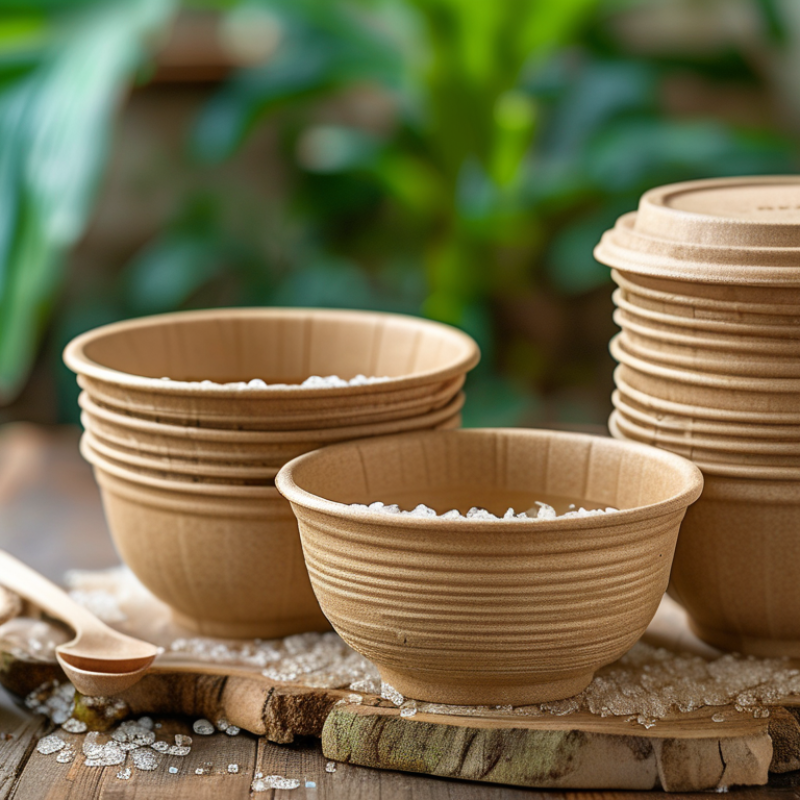
Sugarcane bagasse is a byproduct of sugar production. It is made from the fibrous material left after extracting juice from sugarcane. This substance is highly renewable, making it an excellent alternative to plastic. Unlike plastic bowls, bagasse bowls are biodegradable and compostable. They break down naturally, reducing waste in landfills. Choosing these bowls means making a choice that is better for the environment.
One of the standout features of sugarcane bagasse is its durability. These bowls can hold hot and cold foods without leaking. They stand up to moisture, making them ideal for all types of meals. However, it's crucial to check the quality of the bagasse used. Some products may not be as sturdy as advertised. Researching suppliers can help in finding reliable options that meet sustainability criteria.
In addition to being eco-friendly, bagasse bowls offer versatility. They can be used for a variety of occasions, from casual picnics to formal events. Yet, some consumers report them feeling less premium than traditional materials. It's important to weigh practicality against appearance. Understanding the benefits and limitations of bagasse allows for informed choices in a plastic-free lifestyle.
Evaluating the Environmental Impact of Plastic vs. Bagasse Bowls
When considering the environmental impact of disposable bowls, plastic and bagasse are frequently evaluated. Plastic bowls create significant waste and can take hundreds of years to decompose. They also contribute to microplastic pollution in oceans and soil. The production and disposal of plastic also release harmful substances into the air and water, affecting ecosystems.
In contrast, sugarcane bagasse bowls are a more sustainable option. They are made from the fibrous byproduct of sugarcane, a renewable resource. Bagasse bowls decompose within months, returning nutrients to the soil. However, the production of bagasse bowls requires energy and resources as well. It's essential to evaluate the entire lifecycle of these products.
Not all bagasse bowls are created equal. Some may still have coatings and additives that affect their biodegradability. The sourcing of sugarcane also matters. Unsustainable farming practices can lead to deforestation and loss of biodiversity. It's crucial to research and choose products with transparent supply chains and certifications that ensure responsible production. Making informed choices supports better environmental practices.
Key Features to Look for in Quality Sugarcane Bagasse Bowls
When considering sugarcane bagasse bowls, focusing on key features is crucial for making an informed choice. First, evaluate the source of the sugarcane. Sustainable sourcing reflects the environmental friendliness of the product. According to the World Wildlife Fund, sustainable materials reduce the carbon footprint significantly, thus promoting ecological health. Look for bowls made from 100% compostable bagasse to ensure they are genuinely eco-friendly.
Next, examine the thickness and durability of the bowls. A reliable bowl should withstand hot and cold foods without bending or leaking. Reports indicate that thicker bowls improve user experience and minimize waste. Additionally, FDA approval is a critical factor ensuring that the bowls are safe for food contact. This approval guarantees that there are no harmful chemicals leaching into the food.
Lastly, functionality and design cannot be overlooked. Bowls that stack neatly save space, and those with lids enhance portability. Transparency in the manufacturing process adds to reliability. Many consumers are unsure about environmental claims; thus, the willingness of manufacturers to provide data on their practices can alleviate concerns. Investing time in selecting the right features can lead to better choices for health and the environment.
Assessing the Durability and Performance of Bagasse Dinnerware
When considering bagasse dinnerware, durability and performance are key factors. Bagasse bowls are made from sugarcane byproducts. They are a sustainable alternative to plastic. However, not all bagasse dinnerware is created equal. Some bowls may warp when exposed to heat. Testing under real conditions is essential.
Assessing performance involves checking resistance to moisture and oil. Bagasse bowls can handle various foods. Still, watch for leaking with particularly wet items. Users have noted that while these bowls perform well, they may not hold up under heavy weights. This could be a concern for hearty meals.
Another aspect to consider is their ability to biodegrade. Unlike plastic, bagasse products break down in composting environments. This makes them environmentally friendly. Yet, the exact time for degradation varies. Understanding this aspect is crucial for eco-conscious consumers. It’s essential to weigh these factors when choosing the right bagasse dinnerware.
Exploring the Cost-Effectiveness of Plastic-Free Bagasse Options
Choosing plastic-free bagasse bowls has become a vital consideration for eco-conscious consumers. Studies show that traditional plastic tableware takes up to 500 years to decompose. In contrast, bagasse bowls are made from sugarcane remnants, offering a biodegradable alternative. According to the Biodegradable Products Institute, these bowls can break down within 90 to 180 days in composting environments. This rapid decomposition supports waste reduction efforts.
Cost-effectiveness is another significant factor when considering bagasse options. Research indicates that while the initial purchase price of bagasse bowls may be slightly higher than plastic, the long-term environmental benefits are substantial. The Environmental Protection Agency reports that reducing plastic waste can lead to significant savings in waste management costs. Furthermore, organizations implementing bagasse products may qualify for eco-incentives, offsetting upfront expenses.
However, it's important to reflect on the sourcing and production processes. Not all bagasse products are created equal. Factors such as transportation emissions and local availability can impact overall sustainability. Understanding these nuances is crucial for making informed purchasing decisions. Ultimately, weighing cost against environmental impact requires careful thought and dedication to sustainability principles.
10 Essential Tips for Choosing Plastic-Free Sugarcane Bagasse Bowls - Exploring the Cost-Effectiveness of Plastic-Free Bagasse Options
| Tip Number | Tip Description | Estimated Cost (per bowl) | Environmental Benefits |
| 1 | Check for certification labels for compostability. | $0.10 | Biodegradable within 90-120 days. |
| 2 | Assess the durability for hot and cold foods. | $0.12 | Reduces the risk of plastic leaching into food. |
| 3 | Evaluate suppliers' sustainability practices. | $0.09 | Supports responsible sourcing and production. |
| 4 | Compare bulk purchase options for cost savings. | $0.08 (bulk) | Minimizes packaging waste through bulk packaging. |
| 5 | Consider the potability for various food types. | $0.11 | Ensures safe food contact without harmful substances. |
| 6 | Research customer reviews for performance feedback. | $0.10 | Improves user experience and reduces waste. |
| 7 | Check for microwave and freezer compatibility. | $0.10 | Versatility reduces the need for additional containers. |
| 8 | Look for custom printing options for branding. | $0.15 | Enhances brand visibility while staying eco-friendly. |
| 9 | Explore local sourcing to reduce transportation impact. | $0.09 | Supports local economies and minimizes carbon footprint. |
| 10 | Analyze lifecycle costs compared to plastic options. | $0.14 | Highlights the long-term savings and ecological benefits. |