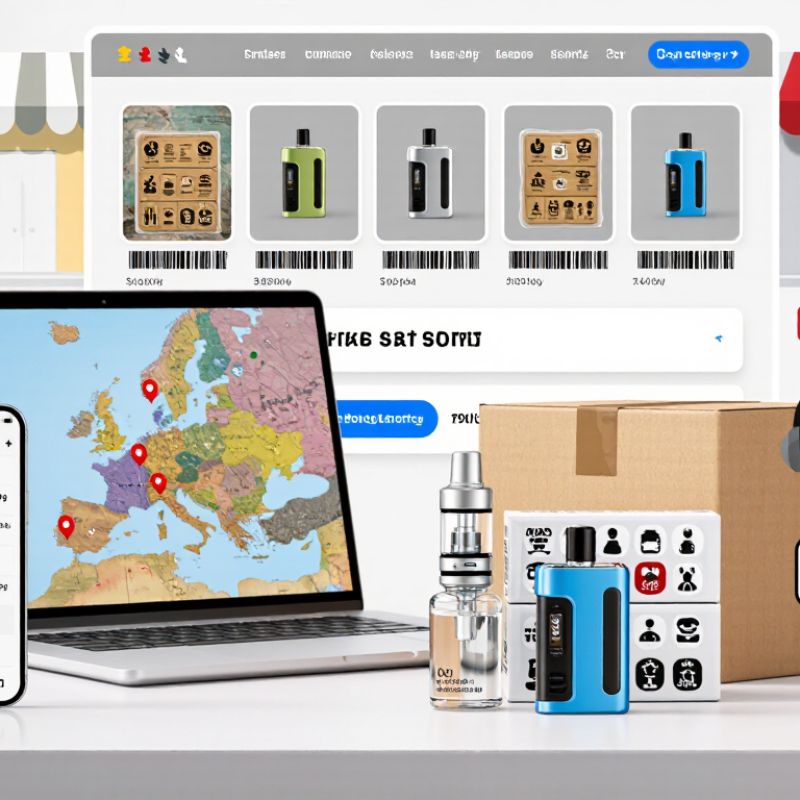
How to Find a Reliable Vape Store in Europe for Buyers?

Finding a dependable Vape Store Europe requires more than choosing the lowest price. Buyers should examine product information, customer service, and compliance details before ordering. A trustworthy store clearly displays age restrictions, ingredient information, manufacturer details, and safe-use guidance. It should also explain delivery limits for each destination, because European regulations can differ between countries.

Look closely at the website’s practical details. Are product packages sealed and photographed clearly? Does the store show batch information, contact details, and a realistic returns policy? Reliable sellers usually answer questions about authenticity without pressure. Their support team should provide direct, specific replies, not copied marketing language. Independent reviews can help, but they are not perfect. Some may be outdated, sponsored, or based on one poor experience.

Small details matter.

An experienced buyer may compare several stores, check official regulatory guidance, and keep invoices after purchase. This approach supports safer decisions and makes complaints easier if a product arrives damaged or differs from its description. A professional Vape Store Europe should value transparency over exaggerated claims, especially when discussing product performance or health-related topics. No retailer is flawless, and a polished website alone proves little. The most reliable choice is usually the seller that communicates clearly, follows applicable European requirements, protects personal information, and encourages responsible use by adults. This guide explores those practical signs, while recognizing that buyers must still review current local rules before completing an order.

How to Find a Reliable Vape Store in Europe for Buyers?

Understanding European Vape Store Regulations and Buyer Requirements

Finding a reliable vape store in Europe begins with understanding local regulations. EU countries follow shared standards, but national rules can differ. A lawful store should verify the buyer’s age before purchase. It should also provide clear product information, safety warnings, and ingredients in the local language.

For nicotine products, EU rules generally limit nicotine strength to 20 mg/ml. Refill bottles usually cannot exceed 10 ml, while tanks commonly have a 2 ml limit. However, some countries apply stricter requirements. Check the official consumer authority in your destination country. Look for batch details, manufacturer information, tax receipts, and a visible customer-service address. A store that hides basic compliance information deserves caution.

Tips: Compare the shop’s age-check process, delivery restrictions, and return policy. Read the packaging before opening anything. Avoid sellers promising unusually low prices or guaranteed health effects. I have found that a polished website proves very little by itself. A physical address and responsive support are more useful signs. No checklist is perfect. Regulations can change, and online summaries may become outdated. Save the product receipt and record the seller’s contact details. If information conflicts, pause the purchase and verify it through an official national source.

How to Find a Reliable Vape Store in Europe for Buyers? — Understanding European Vape Store Regulations and Buyer Requirements
Evaluation Dimension European Requirement or Reliable-Store Indicator What Buyers Should Check Practical Status Why It Matters
Legal Age Sales to minors are prohibited under the EU Tobacco Products Directive framework as implemented by national law. The minimum age is generally 18, but buyers should confirm the rule in the destination country. The store should display an age policy and use meaningful age verification during checkout and, where required, at delivery. Required Protects minors and helps the retailer comply with national tobacco and nicotine-product laws.
Nicotine Strength Consumer e-liquids containing nicotine are generally limited to a maximum concentration of 20 mg/mL under the EU framework. Check that the nicotine strength is clearly stated in mg/mL and that products do not exceed the applicable national limit. EU-wide baseline Unusually high strengths may indicate non-compliant or incorrectly labelled products.
Refill Containers Nicotine-containing refill containers are generally limited to a maximum capacity of 10 mL. Confirm the bottle volume, nicotine concentration, batch details, and child-resistant closure. EU-wide baseline Standardized container limits reduce exposure risks and support safer handling.
Cartridge and Tank Capacity Electronic cigarettes and single-use cartridges or tanks are generally limited to a maximum liquid capacity of 2 mL. Check the stated capacity and be cautious when a product description exceeds the applicable limit for the market of sale. EU-wide baseline Capacity limits are part of the product-safety requirements applied to regulated nicotine devices.
Packaging and Health Warnings Nicotine products should carry required health warnings, safety information, ingredients, nicotine content, batch information, and appropriate child-safety statements. Look for complete, legible, destination-market labelling rather than plain packaging with only marketing claims. Required Clear packaging helps buyers identify contents, risks, and traceability information before use.
Product Notification Manufacturers and importers generally need to submit regulated nicotine products to the relevant authorities before placing them on the market. A reliable retailer should be able to provide product specifications, manufacturer or importer details, and traceability information when requested. Required before sale Notification and traceability requirements help authorities monitor products placed on the market.
Ingredient Transparency Product information should identify ingredients and nicotine content accurately. Marketing must not be misleading or imply that a product is risk-free. Avoid listings with missing ingredients, exaggerated health claims, or unclear descriptions of nicotine content. Required Transparent information allows buyers to make informed purchasing decisions.
Cross-Border Online Sales Distance selling rules, retailer registration, delivery restrictions, and age-verification requirements can differ by country. Some destinations restrict or prohibit cross-border sales of nicotine products. Before ordering, review the store's delivery-country list, registration information, age-check process, returns policy, and customs or tax notices. Country-specific A store that legally ships to one European country may not be legally permitted to ship to another.
Taxes and Duties VAT rates, national excise duties, environmental charges, and import costs vary across European markets and may change over time. Check whether the displayed price includes VAT and whether additional duties, handling fees, or delivery charges may apply. Country-specific Transparent pricing reduces unexpected costs at checkout or delivery.
Retailer Identity A legitimate online store should publish verifiable business information, customer-service contacts, terms and conditions, privacy information, and a physical or registered business address where required. Check the legal entity details, contact methods, secure website connection, and consistency between the store information and payment page. Reliability indicator Clear business identification makes complaints, refunds, and regulatory follow-up more practical.
Payment Security Reliable stores should use reputable payment processing, secure checkout, and clear transaction records. Use payment methods with buyer protection where available and avoid retailers requesting unusual payment methods without documentation. Buyer safeguard Secure payment practices reduce fraud and improve the chance of resolving unauthorized transactions.
Returns and Warranty Consumer rights and withdrawal rules may apply differently depending on the country, product type, opened packaging, hygiene considerations, and whether the item is faulty. Read the returns period, exclusions for opened e-liquid or used devices, warranty terms, and the process for reporting defects. Country-specific Clear policies help buyers understand their options if an item is damaged, incorrect, or defective.
Product Authenticity and Condition Products should arrive sealed, correctly labelled, within their stated shelf life, and with intact batch or lot information. Do not use products with leaking containers, damaged seals, missing warnings, altered labels, or unexplained discrepancies. Quality check Packaging condition and traceability can reveal storage, counterfeit, or supply-chain problems.
Responsible Marketing Retail advertising should not target minors, use misleading health claims, or present vaping as completely risk-free. Prefer stores that provide factual product information and avoid youth-oriented imagery or unsupported medical promises. Compliance indicator Responsible marketing is a useful sign that the retailer takes legal and consumer-protection obligations seriously.
Country Verification European rules are not completely uniform. National authorities may impose stricter requirements on flavours, packaging, advertising, registration, recycling, or online sales. Check the official government or regulator information for the buyer's country before placing an order. Essential step Local verification is necessary because EU-level rules are implemented and supplemented differently across countries.

Checking Product Authenticity, Safety Standards, and Quality Information

Finding a reliable vape store in Europe begins with evidence, not polished photography.

Ask for sealed packaging, batch numbers, importer details, and readable ingredient lists. Genuine products should match official notification records where available. The EU Tobacco Products Directive requires health warnings, child-resistant design, leakage protection, and controlled nicotine limits.

20 mg/ml Nicotine liquid is capped at 20 mg/ml.
10 ml Refill containers are limited to 10 ml.
2 ml Tanks and cartridges cannot exceed 2 ml.

Safety claims need scrutiny. “Laboratory tested” means little without a test date, laboratory identity, and measured results. Ask whether certificates cover the exact batch.

The European Commission’s 2023 Eurobarometer reported 3% current e-cigarette use among EU respondents. It recorded 5% previous use.

These figures do not prove product safety. They show why clear information matters.

A responsible store should explain ingredients, warnings, storage, age checks, returns, and complaint handling without pressure.

Quality information should be specific.

Look for production dates, battery instructions, charging limits, and working contact details. Avoid claims such as “100% safe” or “risk-free.”

The WHO 2023 report on electronic nicotine delivery systems notes that emissions and risks vary with product design and use. That uncertainty deserves honest language.

I still find checklists easy to overtrust. A clean counter can hide weak documentation.

When records are missing, walk away.

Reliability is sometimes shown by what a seller refuses to promise.

Evaluating Store Reputation, Customer Reviews, and Business Transparency

Finding a reliable vape store in Europe requires more than attractive prices or polished photography. In practice, reputation should be checked across several independent sources. Look for consistent customer feedback about delivery, packaging, refunds, and product information. Reviews posted within the last six months matter most. A perfect score can feel suspicious. Real customers usually mention small problems, such as delayed parcels or unclear instructions.

The European Commission’s Special Eurobarometer 539 report found that about 3% of EU respondents currently use e-cigarettes. This relatively small market makes transparent service especially important, because misleading claims can spread quickly within local communities.

Business transparency is easier to test than reputation.

A trustworthy store should display its registered business details, physical contact information, age-verification process, tax information, and clear return policy. Product pages should identify ingredients, nicotine strength where applicable, batch details, and safety warnings. Country-specific rules can differ, so vague statements such as “fully legal everywhere” deserve caution.

The European Commission’s Safety Gate 2023 report recorded 3,412 alerts for dangerous non-food products, showing why buyers should not ignore compliance signals. I would also compare the shop’s policies with independent consumer guidance, not only its own testimonials.

This takes time. It may still miss hidden problems. However, a missing address, copied reviews, or pressure to pay unusually fast should end the purchase.

Comparing Prices, Payment Options, Shipping, and Return Policies

How to Find a Reliable Vape Store in Europe for Buyers?

Finding a reliable vape store in Europe requires more than comparing the advertised price. I check the final basket total, including VAT, delivery, age verification, and possible customs charges. A €12 product can become expensive after hidden fees. I also look for clear company details, compliant packaging, batch information, and lawful product descriptions.

The European Commission’s 2024 Consumer Conditions Scoreboard highlights continuing online problems with unclear information and delivery performance. A polished website is not proof of reliability.

Shipping and returns deserve equal attention. DHL eCommerce’s 2024 E-Commerce Trends Report found that 81% of surveyed shoppers abandon purchases when their preferred delivery option is unavailable. The report also found that 79% leave when return expectations are not met.

Compare tracked shipping, dispatch times, delivery countries, and support response times. A return policy should state the deadline, refund method, return address, and sealed-product exclusions. EU distance purchases generally include a 14-day withdrawal period, but exceptions can apply.

Payment choice also reveals store quality. The European Central Bank’s 2024 SPACE study found cash represented 52% of euro-area point-of-sale payments, while cards accounted for 39%. This is not an online-only measure, but it shows why regional payment preferences matter.

I prefer secure card checkout, 3-D Secure, or recognized local bank methods. Avoid irreversible payment requests.

My checklist is imperfect. I once focused on price and overlooked restrictive return wording. That mistake still matters.

Confirming Customer Support, Privacy Practices, and Ongoing Reliability

A reliable vape store should make customer support easy to test before purchase. Send a specific question about product details, delivery timing, or returns. Note whether the reply is clear, timely, and professionally written. “We will check” is acceptable. Silence is not. Look for a visible email address, service hours, and a working contact form. Support should not depend on social media messages alone. Keep the conversation for future reference.

Privacy deserves equal attention. Read the policy carefully, especially sections about payment data, account details, cookies, and retention periods. The checkout page should use a secure connection and request only necessary information. Be cautious if a store asks for unrelated personal details. Reliable policies explain who may access data and how customers can request deletion. I sometimes skip long policies myself, which is a poor habit. A short review before payment can prevent confusion.

Ongoing reliability becomes clearer after ordering. Check whether tracking updates match the stated delivery window. Inspect the packaging, invoice, and product information when the parcel arrives. A dependable store provides practical instructions for damaged or incorrect orders. Vague promises are frustrating. Reviews can help, but compare recent comments across independent platforms. Repeated complaints about unanswered emails matter more than polished testimonials. Reliability is not perfection. It is consistent, accountable service over time. Also confirm that products and sales follow applicable local requirements.

How to Find a Reliable Vape Store in Europe

Use these EU consumer-protection and privacy timeframes as practical benchmarks when evaluating customer support, privacy practices, and ongoing reliability.

A reliable store should provide clear contact channels, respond within a reasonable timeframe, explain how personal data is handled, and honor applicable consumer rights. The benchmarks shown are official EU timeframes: one month for most GDPR access requests, 72 hours for notifying a supervisory authority of a qualifying personal-data breach where feasible, 14 days to withdraw from most eligible online purchases, and a minimum two-year legal guarantee for goods.

Sources: European Commission — GDPR response times; GDPR, Article 33; Your Europe — Consumer rights.

Call Now Button