How to Maintain a Cooling Tower for Optimal Performance?
cooling towers play a crucial role in industrial processes and energy systems. According to the American Society of Heating, Refrigerating and Air-Conditioning Engineers (ASHRAE), they can improve system efficiency by up to 30%. However, maintenance is often overlooked, leading to reduced performance and increased operational costs. Neglecting regular upkeep can result in a decline in heat transfer efficiency and potential equipment failure.
Proper maintenance of cooling towers requires a comprehensive approach. Regular cleaning helps prevent fouling and clogging, which can degrade performance. The need for routine inspections is vital, as minor issues, if left unaddressed, can escalate into costly repairs. Notably, research shows that most cooling towers can experience up to a 40% reduction in efficiency without adequate care.
In practice, many facilities discover that they lack a structured maintenance schedule. This gap often leads to reactive maintenance instead of proactive strategies. Ultimately, understanding and implementing effective maintenance practices can lead to significant energy savings and prolonged equipment life. Yet, the challenge remains for many organizations to prioritize this essential aspect of their operations.
Understanding the Components of a Cooling Tower
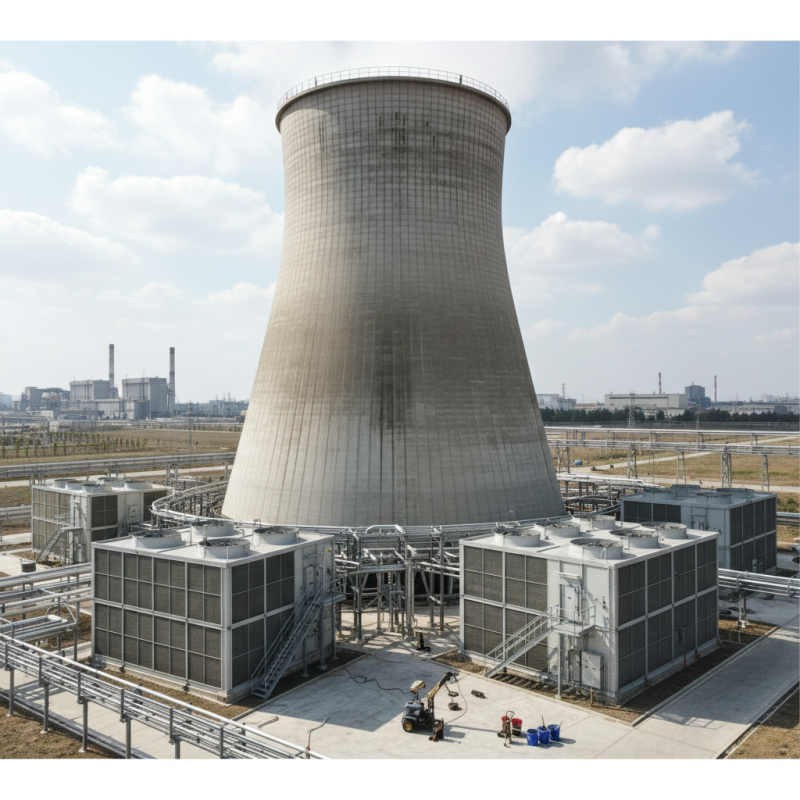
Cooling towers play a critical role in industrial applications. Understanding their components is essential for optimal performance. A typical cooling tower comprises a basin, fill media, fans, and a heat exchanger system. Each part has a specific function that affects efficiency.
The basin collects water, while the fill media increases contact between air and water. Proper maintenance of fill media can lead to a 10-15% increase in efficiency, according to the American Society of Heating, Refrigerating and Air-Conditioning Engineers. Fans facilitate air movement, crucial for evaporative cooling. If fans are not operating effectively, performance drops significantly.
Regular inspections are necessary to identify wear and tear. Corrosion in the heat exchanger can cause inefficiencies, reducing performance by up to 20%. These issues often go unnoticed until system efficiency declines. Investing in regular maintenance will help mitigate these risks. Monitoring water quality is also vital, with unauthorized chemical imbalances leading to scale formation and fouling.
Regular Inspection and Maintenance Schedules
Regular inspections and maintenance schedules are crucial for cooling towers. They help prevent unexpected breakdowns and ensure optimal performance. A well-maintained cooling tower operates efficiently, saving energy and reducing costs.
Set a routine inspection every month. Check the water levels and make sure they are balanced. Inspect for leaks or rust. A small leak today could turn into a big issue tomorrow. Pay attention to the condition of cooling fills. If they are clogged, it can affect water circulation and efficiency.
Keep an eye on the pumps and fans. They should be functioning well to maintain the flow of water. Listen for unusual noises. These can indicate wear and tear. Clean the strainers and filters regularly. Dirty filters can lead to poor performance and increased energy use.
Remember, even routine maintenance can sometimes be overwhelming. It’s okay to seek help from professionals when needed. Reflect on the effectiveness of your maintenance processes. Consider any areas for improvement. A simple checklist can ensure you don’t miss essential tasks.
Cleaning Procedures for Cooling Tower Components
Maintaining a cooling tower requires regular attention to ensure it operates efficiently. One critical aspect is the cleaning of its components. Each part, from the fill to the nozzles, plays a role in cooling efficiency. Neglecting these areas can lead to a buildup of dirt and algae, impairing performance over time.
Start by inspecting the fill. Debris often accumulates here. A simple rinse with water can remove loose particles. If you notice stubborn buildup, a soft brush can be effective. But take care; excessive scrubbing can damage the fill. Next, turn your attention to the nozzles. Check for clogs and mineral deposits. A quick soak in a mild cleaning solution can often clear blockages.
Sudden temperature fluctuations might signal that some parts need more thorough cleaning. However, it's easy to overlook details during routine maintenance. Sometimes, the most minor issues can lead to significant problems. Regular cleaning checks should be part of your routine, but do not let complacency set in. Being proactive can save you time and money in the long run.
Water Treatment Solutions for Cooling Towers
Water treatment is crucial for the optimal performance of cooling towers. Properly treated water reduces scaling, corrosion, and biological growth. Regular testing of water quality should become a routine. Check pH levels, conductivity, and hardness. Each of these factors affects efficiency. Regularly monitor for algae and bacteria. They can lead to significant downtime.
Using biocides can help control biological growth. However, over-application may result in new problems. Always follow safety guidelines when handling chemicals. Regularly clean the cooling tower parts. Remove any debris or scale buildup. This simple task can enhance heat exchange efficiency. Make a checklist for maintenance tasks. Even small tasks can have a big impact on performance.
Over time, you'll notice areas that need improvement. Reflect on past maintenance lapses. Were there delays in water treatment? Did that affect cooling tower efficiency? Understanding these aspects can guide future actions. Prioritize consistent attention to water treatment solutions for your cooling tower. This proactive approach leads to better performance and reliability.
Troubleshooting Common Cooling Tower Issues
Maintaining a cooling tower is crucial for efficient operation. Troubleshooting common cooling tower issues can save time and money. Many problems arise from poor maintenance or neglect. For instance, water quality plays a significant role. If the water is dirty, scale and algae can form. This can block heat transfer and reduce efficiency.
Regular visual inspections are essential. Look for any signs of leaks or corrosion. This will help identify problems early. If you notice unusual noises, investigate promptly. Such noises may indicate mechanical issues that require attention.
Tips: Implement a routine cleaning schedule. Remove debris from the fill and sump. Check water chemistry regularly to prevent issues.
Water flow issues can also be a concern. Ensure that valves are functioning correctly. Low flow can lead to overheating. Sometimes, vibrations can signal a need for repair. Stay vigilant about these signs. Regular maintenance might feel tedious, but it pays off in the long run. Prioritize keeping your cooling tower in optimal condition.