Top Glass Cream Jar Designs for Global Buyers?
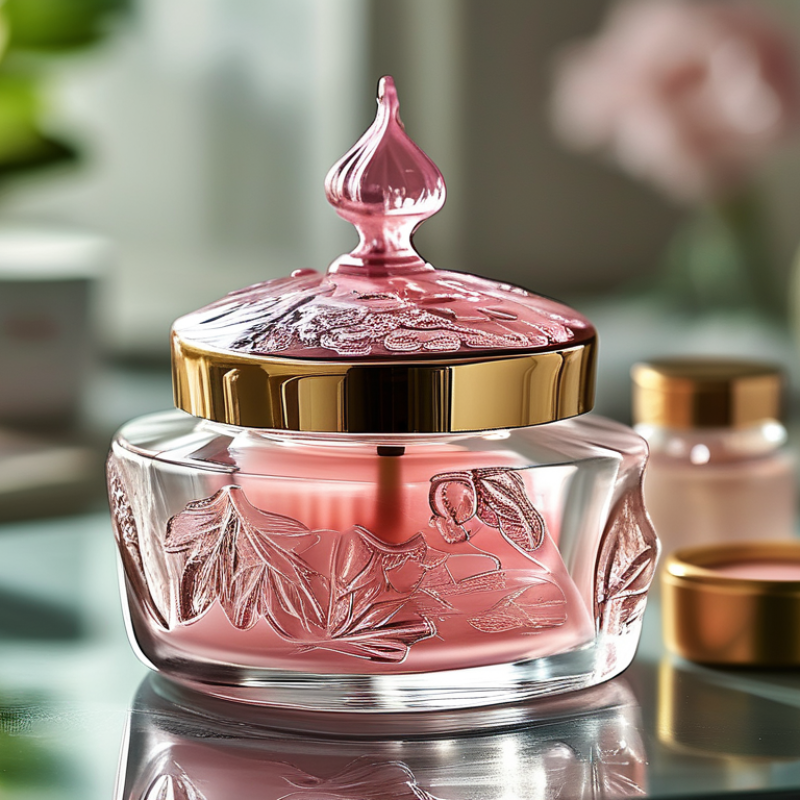
In today's beauty packaging market, the design of the Glass Cream Jar is pivotal. These jars not only serve as vessels for creams but also enhance brand identity. A well-crafted jar can captivate global buyers, making them take notice of the product inside.
Creative designs can elevate a standard jar into a statement piece. Consider the texture, lid shape, and even color choices. Each design element plays a role in attracting consumer attention. However, it's crucial to balance aesthetics with functionality. Glass Cream Jars must be easy to use and practical for daily application.
Many brands strive for uniqueness but can fall into common design pitfalls. Some jars look stunning but lack practicality. Reflecting on these missteps is key for future innovations. Ultimately, a perfect Glass Cream Jar design requires both an artistic touch and a clear understanding of consumer needs.
Innovative Features in Top Glass Cream Jar Designs
The glass cream jar market is witnessing a wave of innovation. Many designs now emphasize sustainability alongside aesthetics. A report from Research and Markets highlights that eco-friendly packaging will grow by 5% annually until 2025. Shoppers increasingly prefer biodegradable or recyclable materials, making glass a popular choice.
Innovative features in glass cream jars include advanced closures and airless pump systems. These features preserve product integrity, minimizing oxidation. For instance, airless designs can extend a cream’s shelf life by up to 15%. Furthermore, many brands now incorporate ergonomic shapes for better handling, which enhances user experience.
Tip: When selecting glass containers, look for jars with a textured surface. This detail not only adds a premium feel but also helps prevent slippage. Always consider weight as well; lighter designs can improve portability without compromising durability. Opt for jars with clear labeling for better consumer guidance.
Top Glass Cream Jar Designs for Global Buyers
Popular Materials Used in Glass Cream Jar Production
When exploring the glass cream jar market, the choice of material plays a pivotal role. Glass is favored in the cosmetics industry for its ability to provide a premium feel. Reports indicate that around 45% of cosmetic packaging globally now utilizes glass due to its sustainability and recyclability. Unlike plastic, glass is inert, ensuring the purity of the cream inside. This attribute makes it particularly popular for high-end skincare products.
Design options vary significantly, yet the materials used remain crucial. The most sought-after types of glass for jars include borosilicate and soda-lime glass. Borosilicate glass, known for its resistance to thermal shock, accounts for about 25% of the market share. On the other hand, soda-lime glass dominates up to 70% due to its cost-effectiveness and versatility in design. However, the fragility of glass raises concerns about shipping and consumer safety, leading to necessary innovations in protective packaging.
Sustainability is another focal point in material selection. More brands are moving toward recycled glass, which has seen a 20% increase in demand over the past year. While these materials boast superior quality, the balance between environmental impact and functionality requires ongoing evaluation. The industry's direction indicates a strong emphasis on innovation amidst these complexities.
Trending Aesthetic Styles for Global Buyers
As global buyers seek innovative designs, glass cream jars are making waves in aesthetic trends. Many styles are emerging, catering to diverse consumer preferences. Organic shapes have gained traction, often resembling natural forms. These jars offer a tactile experience that attracts buyers looking for something unique.
Matte textures also play a significant role in modern designs. They often evoke a sense of sophistication and minimalism. Shiny, bright colors contrast beautifully with these muted finishes. This juxtaposition creates visual interest and depth, encouraging consumers to engage with the product.
However, it's important to note that the glass material does present challenges. Fragility can deter some buyers, making them reconsider options. Sustainable processes in production are becoming a point of reflection. As consumers become more eco-conscious, the emphasis on recycling and environmental responsibility needs to evolve. Balancing aesthetics with ethics is a task for designers in this competitive market.
Sustainability Practices in Glass Cream Jar Manufacturing
Sustainability practices in glass cream jar manufacturing are gaining attention. This shift is driven by a global demand for eco-friendly packaging. According to a report by Smithers Pira, the market for sustainable packaging is projected to reach $500 billion by 2025. Manufacturers are now focusing on eco-design and reduced carbon footprints.
Many brands are adopting recycled glass materials. This not only reduces waste but also conserves energy. Research shows that producing glass from recycled materials uses 40% less energy. This approach significantly lowers greenhouse gas emissions. However, challenges remain in sourcing consistent quality recycled glass. The variability can impact brand perception.
Tips: When sourcing for sustainable glass jars, check if the manufacturer follows environmentally friendly practices. Ask about their recycling rates and waste management strategies. Transparent companies often share their sustainability metrics. Consider supporting manufacturers that invest in renewable energy resources. This choice aligns quality with responsibility.
Market Insights: Consumer Preferences for Cream Jar Designs
The demand for aesthetically pleasing glass cream jars has surged. Recent surveys indicate that 70% of consumers prioritize unique designs over functionality. This trend highlights the importance of visual appeal in skincare products. Buyers are drawn to jars that reflect luxury and sophistication. Designers must consider the color schemes, shapes, and finishes when creating new products.
Moreover, market data shows that eco-friendly materials are gaining traction. Around 55% of consumers prefer sustainable packaging options. This shift indicates a growing awareness of environmental issues among buyers. Designs that incorporate recycled glass resonate well with eco-conscious shoppers. However, achieving sustainability while maintaining aesthetics remains a challenge.
It's interesting to note that 40% of consumers express dissatisfaction with traditional jar designs. They seek innovations that break the mold. Simple, yet elegant structures tend to attract attention. While minimalism is on the rise, some buyers still appreciate intricate patterns. Balancing these preferences requires keen insight from designers. Understanding consumer feedback is vital to guide future designs.