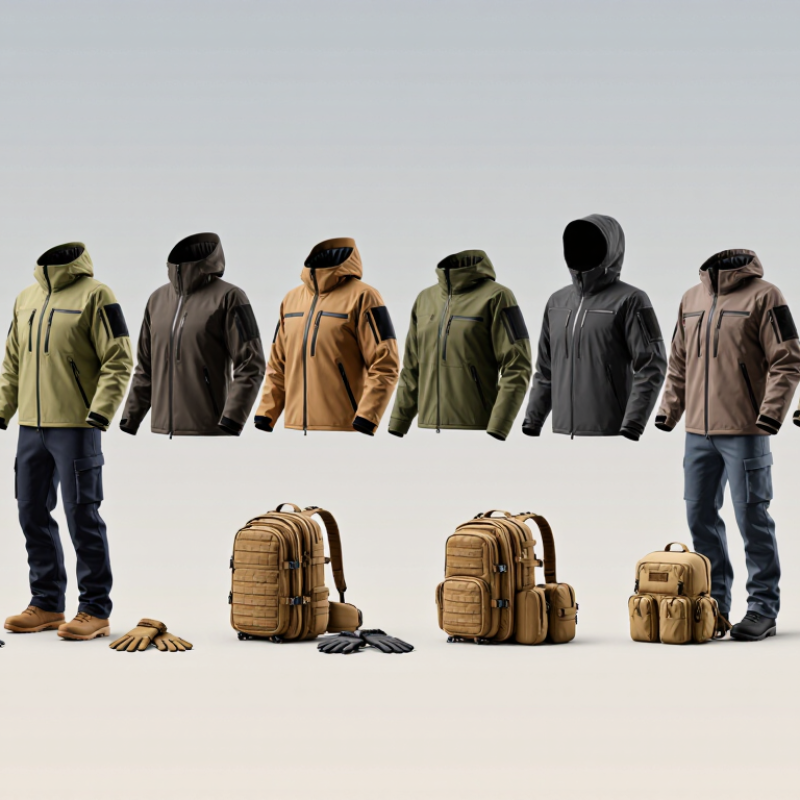
Top 10 Tactical Winter Jacket Picks for Global Buyers

Choosing the right Tactical Winter Jacket requires more than comparing prices and attractive product photos. Global buyers need dependable warmth, practical mobility, and materials suited to demanding winter conditions. A jacket that performs well in a dry mountain climate may feel inadequate in wet coastal weather. Local expectations matter.

This guide reviews ten tactical winter jacket picks through a buyer-focused lens. Each selection is considered for insulation, wind resistance, water protection, durability, pocket design, and everyday comfort. We also examine fit, fabric weight, hood adjustment, cuff sealing, and zipper performance. These details become important when temperatures fall and movement becomes restricted.

Real-world use often reveals more than a specification sheet. A well-insulated jacket should retain warmth during long commutes, outdoor work, travel, or cold-weather photography. However, no single design suits every buyer. Some jackets feel bulky, while lighter models may sacrifice warmth. Sizing can also vary between regions and manufacturers.

Reliable purchasing requires checking verified measurements, care instructions, material claims, and supplier support. Independent testing and consistent product documentation add confidence, especially for international orders. The rankings are not absolute. They reflect practical comparisons, available evidence, and common buyer priorities. Small compromises remain. That is worth acknowledging.

Whether you need daily protection or seasonal outdoor gear, these ten options provide a clear starting point. Compare carefully. Choose for your climate. A suitable Tactical Winter Jacket should support comfort, movement, and reliable protection without unnecessary features.

Top 10 Tactical Winter Jacket Picks for Global Buyers

What Defines a Tactical Winter Jacket?

A tactical winter jacket is not simply a thick coat with extra pockets. It is a weather-focused system designed for movement, layering, and dependable access in cold conditions. In practical evaluations, the first checks are wind resistance, water resistance, insulation, and freedom of movement. A jacket may feel warm at rest yet restrict the shoulders during climbing or driving. That weakness matters. Good designs combine a durable outer fabric with breathable panels or vents, helping reduce sweat during active work. Insulation should retain warmth without creating excessive bulk. Synthetic fill often performs consistently when damp, while dense fleece can add comfort beneath a shell. Neither option suits every climate.

Fit is equally important. Adjustable cuffs, a protective collar, and a stable hem help limit heat loss. Zippers should operate with gloved hands, and pockets need clear organization rather than needless depth. Inner pockets can protect a phone or documents from freezing temperatures. Reflective details may improve visibility where local safety rules allow them. Testing should include sitting, reaching, and wearing mid-layers. It is easy to judge a jacket indoors. That can be misleading. Real cold exposes poor stitching, noisy fabric, and weak closures. No jacket is perfect; buyers should compare climate, activity level, maintenance needs, and fit before trusting one for long outdoor use.

Key Features for Warmth, Protection, and Mobility

Top 10 Tactical Winter Jacket Picks for Global Buyers

Key Features for Warmth, Protection, and Mobility

A dependable winter jacket should balance insulation, weather protection, and freedom of movement. Look for layered construction, with insulation that stays effective after light moisture exposure. Synthetic fill often dries faster, while natural insulation can provide excellent warmth with less bulk. Neither choice is perfect. Check the climate before deciding.

Protection begins with a wind-resistant outer shell, sealed seams, and a hood that adjusts without blocking vision. Durable fabric helps during travel, outdoor work, and rough weather. However, heavy material can restrict movement. Articulated elbows, underarm panels, and flexible cuffs make a noticeable difference when reaching or climbing. Test the jacket with a sweater underneath. A good fit should feel secure, not tight.

Tips: Check the size chart carefully. Measure your chest while wearing a base layer. Inspect zipper quality, pocket placement, and cuff adjustment. Choose breathable fabric for active use, because trapped sweat can make cold feel worse. Buyers in wet regions should confirm whether the jacket is water-resistant or fully waterproof; these terms are not interchangeable.

Reliable suppliers should provide fabric details, care instructions, and clear testing information. Look for practical features such as insulated hand pockets, storm flaps, and adjustable hems. Reflective details may improve visibility, though they can reduce a low-profile appearance. One common mistake is choosing maximum insulation for every climate. Layering often offers better control, especially when temperatures change quickly.

How to Evaluate the Top 10 Jacket Picks

Evaluating the top ten winter tactical jackets requires measurable criteria, not impressive-looking pockets.

Start with thermal performance. Insulation weight, fill type, and moisture control affect comfort during long outdoor use. ASTM F1291 uses thermal manikins to measure clothing insulation under controlled conditions. ISO 11092 measures thermal and water-vapor resistance. Manufacturer claims are clues, not proof. Textile Exchange’s 2024 Materials Market Report records global fiber production at about 124 million tonnes in 2023. Material efficiency deserves attention.

Next, examine weather protection and movement. Check seam sealing, storm flaps, cuff adjustment, and hood visibility. EN 343 provides a useful reference for rain protection, although regional requirements differ. A high waterproof rating cannot rescue poor ventilation.

Test the jacket while layering, bending, and reaching overhead. A tight shoulder can become painful after several hours. Global buyers should also inspect sizing charts carefully, because measurements vary between markets.

Build a scoring sheet for all ten jackets. Give thermal protection 30 points, weather resistance 25, mobility 20, durability 15, and repairability 10.

The European Environment Agency reported that people in the European Union consumed about 19 kilograms of textiles per person in 2022. That figure makes longer service life commercially meaningful. Look for reinforced elbows, replaceable components, and clear care instructions.

My own checklist still underestimates noise and pocket access in cold gloves. Real testing can expose that weakness.

Best Jacket Types for Different Climates and Missions

Top 10 Tactical Winter Jacket Picks for Global Buyers

The right winter jacket depends on climate, movement, and mission length. For wet coastal weather, choose a waterproof shell with sealed seams. In dry mountain cold, an insulated parka offers better warmth. Softshell jackets suit active travel because they stretch and breathe during movement. A fleece-lined jacket works well for cool urban climates. For changing conditions, select a modular three-layer system. It allows insulation, rain protection, and ventilation to work separately. Lightweight packable jackets help travelers who move between warm and cold regions. High-visibility designs support roadside work and low-light outdoor tasks. For deep snow, choose a longer cut with an adjustable hood. In mild winters, heavy insulation may cause overheating.

Tips: Check the temperature rating carefully. Test the cuffs with gloves. Inspect pocket access while seated. Choose fabric that dries quickly. Avoid buying only for appearance.

Fit matters as much as insulation. The jacket should allow a thermal layer underneath without pulling across the shoulders. Ventilation zippers can reduce moisture during long walks or equipment handling. Durable fabric helps in rough environments, but excessive weight becomes tiring. I still see buyers choose the warmest option, then regret it indoors. Personal climate tolerance varies, so local weather data deserves attention. A careful buyer should also check stitching, zipper performance, care instructions, and return terms before purchase.

Sizing, Layering, Care, and Global Buying Considerations

A tactical winter jacket should fit over a base layer and a mid-layer, not merely over a T-shirt. Measure chest, waist, sleeve length, and back length while wearing your thickest planned layer. ISO 13688:2013 supports consistent protective-clothing sizing, but international charts still vary. A 102-centimeter chest may appear as large in one market and extra-large in another. Leave room for movement, especially when reaching forward or carrying equipment. Layering also changes warmth: a moisture-wicking base layer manages sweat, while fleece or insulated material traps air. Do not trust temperature ratings alone. Wind, humidity, and activity level can change comfort quickly.

Care affects performance more than many buyers expect. Follow the sewn care label, close zippers, and remove loose debris before washing. Excessive heat can damage coatings, insulation, or seam tape. The European Environment Agency reported in 2022 that extending clothing use by nine months can reduce carbon, water, and waste footprints by roughly 20–30%. That figure is useful, though real savings depend on washing habits and garment durability. For global purchases, check metric measurements, fabric composition, delivery duties, return rules, and local repair access. A cheap jacket can become expensive after international returns.

Tips: Compare measurements, not labels. Test sleeve movement indoors. Pack a thin liner for warmer climates. Air-dry carefully. My fitting rule is imperfect, especially for broad shoulders, so record your best measurements after trying real layers.

Top 10 Tactical Winter Jacket Picks for Global Buyers - Sizing, Layering, Care, and Global Buying Considerations
No. Jacket Type Typical Construction Approx. Comfort Range* Weather Protection Recommended Layering Fit and Sizing Guidance Typical Weight Care Requirements Global Buying Considerations
1 Insulated Softshell Field Jacket Stretch woven outer fabric with a fleece lining and light synthetic insulation; commonly includes multiple utility pockets. -5°C to 8°C
(23°F to 46°F)
Good wind resistance and light rain protection; not intended for prolonged heavy rain. Moisture-wicking base layer plus a thin fleece in colder conditions. Choose the normal body size if wearing one base layer; size up when using a thick mid-layer or carrying equipment. 700–1,100 g Machine wash according to the care label; close zippers, avoid fabric softener, and air-dry thoroughly. Check stretch fabric composition, pocket dimensions, sleeve length, and whether the water-repellent finish is free from restricted chemicals where required.
2 Synthetic Insulated Patrol Parka Water-resistant shell with continuous-filament or staple synthetic insulation, longer hem, insulated hood, and storm flap. -15°C to 0°C
(5°F to 32°F)
Good wind protection and moderate rain or snow resistance; seams may not be fully waterproof. Base layer and medium fleece; add a thin thermal vest for stationary use. Allow approximately 8–12 cm of chest ease over body measurements for layered movement. 1,000–1,600 g Wash gently with technical detergent; tumble-dry on low only if permitted to restore loft and prevent clumping. Useful for variable climates because synthetic insulation retains more warmth than down when damp; verify compressed shipping volume and import duty classification.
3 Waterproof Tactical Hardshell Three-layer waterproof-breathable laminate or coated fabric, adjustable hood, taped seams, and durable face fabric. 0°C to 12°C
(32°F to 54°F)
High rain and wind protection when seams, zippers, and closures are properly sealed. Base layer, fleece or active insulation, and optional lightweight vest. Use a relaxed or athletic cut with enough room for a fleece; avoid excessive looseness, which can reduce heat retention. 650–1,000 g Wash with a technical cleaner; periodically renew the durable water-repellent finish and never use bleach or standard softener. Compare waterproof ratings, breathability figures, seam-taping coverage, hood adjustment, and local repair or warranty availability.
4 Down-Insulated Expedition Parka Baffled construction with responsibly sourced down or a comparable high-loft insulation, draft collar, storm hood, and extended hem. -25°C to -5°C
(-13°F to 23°F)
Very good cold and wind protection; the shell must remain dry to preserve down loft. Moisture-wicking base layer and lightweight fleece; avoid compressing the insulation with overly tight layers. Measure chest, waist, and sleeve length; select a fit that allows a mid-layer without flattening the baffles. 900–1,500 g Wash infrequently with down-specific cleaner; dry completely on low heat with clean dryer balls, checking for clumps. Confirm fill-power method, down-to-feather ratio, animal-welfare documentation, moisture management, and customs requirements for animal-derived materials.
5 Fleece-Lined Waterproof Combat Jacket Coated or laminated shell with bonded fleece lining, reinforced elbows, adjustable cuffs, and covered pockets. 2°C to 12°C
(36°F to 54°F)
Good everyday rain and wind protection; warmth depends heavily on the lining thickness. Light base layer; add a thin thermal layer rather than another bulky fleece. Usually runs closer to a regular fit; check shoulder width and arm mobility before selecting a smaller size. 900–1,400 g Wash inside out on a gentle cycle; hang dry and avoid high heat, which can damage coatings or bonded layers. Inspect coating durability, zipper compatibility, colorfastness, reflectivity rules, and language requirements for care labels in the destination market.
6 Modular 3-in-1 Tactical Jacket Water-resistant or waterproof outer shell combined with a removable fleece or insulated inner jacket; designed for separate or combined use. -10°C to 15°C
(14°F to 59°F)
Flexible protection ranging from light rain to sustained wet weather, depending on shell construction. Base layer with the inner jacket; add a thin mid-layer only when the combined fit remains unrestricted. Check the fit of both components separately; the shell should not pull across the shoulders when the liner is installed. 1,000–1,700 g Detach the liner before washing; clean each component according to its own label and inspect connection points regularly. Strong option for multiple climates; verify liner attachment methods, replacement availability, packed size, and compatibility with local temperature ranges.
7 Winter Motorcycle-Style Protective Jacket Abrasion-resistant textile shell with removable armor pockets, thermal liner, pre-curved sleeves, and adjustable waist or cuffs. -5°C to 10°C
(23°F to 50°F)
Good wind protection and variable rain resistance; protection depends on certified armor and garment construction. Thin base layer and low-bulk thermal layer; avoid bulky garments under fitted armor zones. Measure chest, waist, sleeve, and back length while wearing the intended base layer; armor should remain correctly positioned. 1,500–2,300 g Remove armor and liner before washing; use mild detergent and inspect seams, fasteners, and protective inserts after cleaning. Confirm applicable protective-clothing standards, armor certification, reflective requirements, gender-specific grading, and restrictions on importing protective equipment.
8 Cold-Weather Work Jacket Heavy cotton-blend or synthetic canvas outer fabric with quilted insulation, reinforced stress points, and a durable collar. -10°C to 5°C
(14°F to 41°F)
Good abrasion and wind resistance; water resistance is usually limited unless the fabric is treated or coated. Base layer and medium fleece; select a relaxed cut for active work. Prioritize shoulder, chest, and sleeve measurements; allow extra room for bending, tools, and occupational layers. 1,200–1,900 g Wash separately at the recommended temperature; expect some natural-fiber shrinkage unless the fabric is pre-shrunk. Evaluate fabric weight, seam reinforcement, high-visibility options, chemical exposure limits, sizing grading, and workplace compliance rules.
9 Lightweight Synthetic Active-Insulation Jacket Breathable ripstop shell with low-bulk synthetic insulation, stretch panels, packable hood, and articulated sleeves. 0°C to 15°C
(32°F to 59°F)
Good wind resistance and light drizzle protection; designed for movement rather than prolonged heavy rain. Moisture-wicking base layer; add a hardshell over it during rain or strong wind. Choose an athletic fit that permits full arm movement without large air gaps around the torso. 350–700 g Use a gentle cycle and low heat if allowed; store loosely rather than compressed for long periods. Suitable for travel and layered systems; compare pack size, ventilation, zipper quality, anti-static performance, and electrical or air-freight packaging rules.
10 Extended-Length Arctic Shell with Removable Liner Long waterproof shell with insulated removable liner, storm skirt, adjustable hood, and protective placket over the main zipper. -20°C to 5°C
(-4°F to 41°F)
Very good coverage against wind, snow, and rain when the shell and closures are fully adjusted. Base layer plus medium fleece; use the removable liner for static or extremely cold conditions. Check back length, seat coverage, hem width, and two-way zipper function; avoid sizing so large that the hood blocks peripheral vision. 1,300–2,200 g Clean the shell and liner separately; dry insulation fully, lubricate compatible zippers, and inspect seam tape after repeated use. Best for severe winter regions; confirm long-garment shipping dimensions, waterproof testing method, hood visibility, mobility requirements, and regional labeling laws.

*Comfort ranges are approximate guidance for moderate activity with suitable base layers. Wind, humidity, precipitation, individual metabolism, garment fit, and activity level can significantly change actual comfort.

Call Now Button