Top 10 Types of Tote Bags for Global Buyers
Choosing the right Tote Bags can shape product quality, customer satisfaction, and long-term sourcing results. Global buyers often compare appearance first, yet performance depends on less visible details. Fabric weight, stitching density, handle strength, lining, closures, and printing quality all matter during daily use.
This guide examines ten major types of Tote Bags for retail, events, travel, hospitality, and corporate purchasing. It considers canvas, cotton, jute, non-woven, recycled, leather, insulated, foldable, mesh, and waterproof designs. Each type offers different advantages, costs, and limitations. A thick canvas bag may feel premium, but it can increase shipping weight. A lightweight non-woven option may reduce cost, but it may not suit repeated use.
Real sourcing experience shows that samples can hide important problems. Handles may twist under load. Colors may change between batches. A printed logo can look sharp on screen and uneven on fabric. These details deserve physical testing, not assumptions. Buyers should review material specifications, production samples, supplier records, packaging standards, and applicable market requirements before placing large orders.
Small details matter.
The discussion also recognizes that no single bag fits every market. Climate, customer habits, retail positioning, order volume, and budget can change the best choice. Some recommendations may require adjustment after testing. That is not a weakness; it reflects the practical uncertainty of international procurement. Careful comparison helps buyers select Tote Bags that balance durability, presentation, usability, and responsible purchasing expectations.
Tote Bag Fundamentals: Structure, Materials, and Key Features
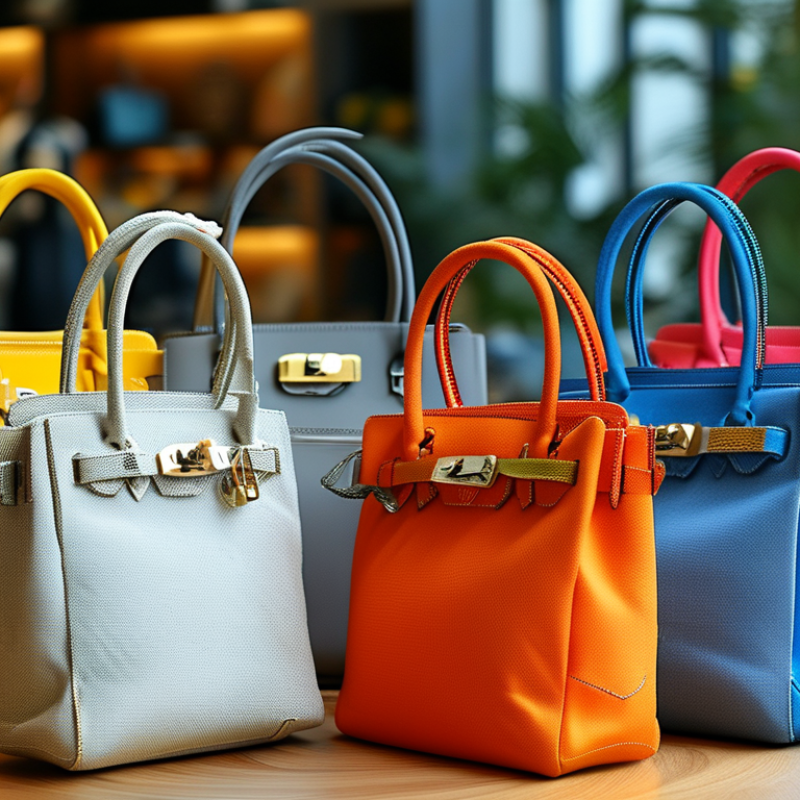
A tote bag looks simple, but its structure controls comfort, strength, and storage. For global buyers, inspect the body panel, side seams, handles, base, and closure before choosing a style. A flat bottom helps the bag stand and protects boxed products. Gussets increase capacity without making the opening too wide. Reinforced handles reduce tearing when customers carry books, groceries, or samples.
Material changes both performance and product positioning. Cotton canvas feels natural and handles repeated use well. Recycled polyester resists moisture and keeps its shape during transport. Nonwoven fabric is lightweight and economical, but it may suit lighter loads. A heavier fabric is not always better. It can raise shipping weight and make the bag uncomfortable. In sample reviews, handle stitching often deserves more attention than fabric thickness.
Key features should match the buyer’s market and usage conditions. Check handle length, stitching density, seam finishing, colorfastness, odor, and print durability. Request material details and test reports that fit the destination’s requirements. Care labels and packaging information should be clear and accurate. Small details matter. A pocket, snap button, or reinforced corner can improve daily use, yet each addition affects cost and production time. Some buyers focus heavily on appearance and underestimate these practical trade-offs. That mistake is worth reconsidering before approving a large order.
| No. | Tote Bag Type | Typical Structure | Common Materials | Typical Size (W × H × D) | Approx. Load Capacity | Key Features | Best-Suited Applications | Buyer Considerations |
|---|---|---|---|---|---|---|---|---|
| 1 | Basic Canvas Tote | Open-top rectangular body with two parallel shoulder handles | 100% cotton canvas, commonly 8–16 oz | 35 × 40 × 10 cm | Approx. 8–12 kg | Reusable, printable surface, reinforced handle stitching, lightweight construction | Retail shopping, promotional campaigns, libraries, everyday carrying | Check fabric weight, handle length, seam reinforcement, and print durability. |
| 2 | Gusseted Tote | Expanded base or side panels that create additional internal volume | Cotton canvas, recycled cotton, polyester, or polypropylene nonwoven | 38 × 42 × 12–18 cm | Approx. 10–15 kg | Spacious interior, better stability, suitable for boxed or bulky items | Grocery retail, trade shows, book distribution, promotional gifting | Specify gusset depth and bottom reinforcement to maintain shape under load. |
| 3 | Foldable Tote | Soft, collapsible body designed to fold into a compact format | Polyester, nylon, recycled PET fabric, or lightweight cotton | 38 × 60 × 10 cm when open | Approx. 5–10 kg | Space-saving, lightweight, easy to store, often supplied with a pouch or snap closure | Travel, emergency shopping, events, convenience retail | Evaluate folding method, fabric tear strength, pouch size, and closure quality. |
| 4 | Zippered Tote | Structured or semi-structured body with a top zipper closure | Canvas, cotton twill, polyester, nylon, or synthetic leather trim | 35 × 40 × 12 cm | Approx. 6–12 kg | Improved security, protected contents, interior pockets, suitable for commuting | Work bags, travel accessories, premium promotional programs, daily use | Assess zipper smoothness, end stops, lining quality, and pocket placement. |
| 5 | Insulated Cooler Tote | Flexible tote with thermal lining and padded or foam insulation layer | Polyester or nylon exterior, aluminum foil or PEVA lining, foam insulation | 30 × 35 × 18 cm | Approx. 6–10 kg | Thermal insulation, leak-resistant lining, reinforced base, wipe-clean interior | Food delivery, picnics, grocery shopping, meal transport | Confirm insulation thickness, lining seams, leak resistance, and cleaning requirements. |
| 6 | Jute or Natural Fiber Tote | Firm, textured body with stitched or braided handles | Jute, cotton, hemp, or blended natural fibers | 35 × 40 × 12 cm | Approx. 7–12 kg | Natural appearance, firm body, breathable fiber, strong visual appeal | Gifting, farmers' markets, eco-themed retail, agricultural products | Review fiber shedding, odor, moisture tolerance, handle comfort, and color consistency. |
| 7 | Nonwoven Shopping Tote | Heat-sealed or stitched lightweight body with reinforced handles | Polypropylene nonwoven fabric, often 60–120 gsm | 32 × 38 × 10 cm | Approx. 5–8 kg | Low production weight, economical, quick-drying, suitable for high-volume orders | Supermarkets, exhibitions, retail campaigns, short-term promotional use | Specify fabric gsm, lamination, handle attachment, and recyclability requirements. |
| 8 | Recycled PET Tote | Soft to semi-structured body with stitched seams and reinforced handles | Recycled polyester made from post-consumer PET bottles | 36 × 42 × 12 cm | Approx. 6–10 kg | Lightweight, durable, smooth print surface, supports recycled-material positioning | Retail, events, sustainability programs, corporate gifting | Request material traceability, recycled-content documentation, and colorfastness testing. |
| 9 | Water-Resistant Utility Tote | Structured rectangular body with coated surface and reinforced bottom | Coated polyester, ripstop nylon, laminated cotton, or recycled fabric | 40 × 45 × 15 cm | Approx. 10–15 kg | Moisture resistance, easy-clean surface, durable handles, broad carrying capacity | Outdoor activities, hardware retail, beach use, utility and storage | Distinguish water-resistant from waterproof performance and verify coating durability. |
| 10 | Long-Handle Shoulder Tote | Open-top or closed-top body with extended handles for shoulder carry | Cotton canvas, denim, twill, recycled polyester, or blended fabric | 35 × 40 × 10 cm; handle drop 25–30 cm | Approx. 6–10 kg | Hands-free carrying, comfortable shoulder drop, versatile everyday format | Commuting, campuses, retail shopping, conferences, cultural events | Measure handle drop under load and inspect bar-tack placement for shoulder comfort. |
Related Posts
-
Best Tote Bags for Every Occasion and How to Choose One?
-

Top Benefits of Hessian Shopping Bags for Eco Friendly Buyers?
-
Best Eco Friendly Bags from China for Sustainable Living?
-
2026 Best Tote Bags for Global Wholesale Buyers?
-

Top Benefits of Using Cloth Bags in 2025 for Eco Friendly Shopping
-

2026 Best Cloth Bags for Eco Friendly Lifestyle Choices?