China has become a major sourcing base for tote bags, serving retailers, promotional agencies, fashion labels, and online brands worldwide. This guide introduces China’s best tote bag manufacturers for global buyers, focusing on practical supplier evaluation rather than attractive claims. It examines material quality, production capacity, customization, certifications, communication, and export experience.
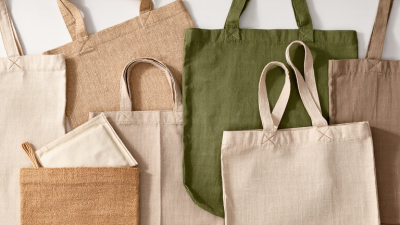
The Tote Bags can be made from cotton, canvas, recycled fabric, jute, non-woven material, or premium leather. Each option creates different costs, textures, strengths, and environmental considerations. A reliable manufacturer should provide clear fabric details, measurable specifications, production samples, and consistent quality checks. Buyers should also confirm stitching density, handle reinforcement, printing durability, packaging methods, and realistic delivery schedules. Small details matter.
Ask for evidence.
Experienced sourcing professionals often compare several factories before placing an order. They review factory photos, sample quality, audit records, and customer references. Video inspections can reveal production conditions that brochures may hide. However, not every online certificate proves current capability. Verification remains essential. Some suppliers communicate well before payment, then respond slowly during production. That risk deserves attention. I have seen buyers focus heavily on unit price and overlook defect rates, replacement costs, and delayed launches. A cheaper quote may become expensive later. This guide therefore considers value, transparency, and long-term cooperation. It also recognizes an uncomfortable truth: even a carefully selected factory can make mistakes. Clear specifications, approved samples, written agreements, and independent inspections reduce uncertainty, but they cannot remove it completely. Global buyers should stay involved, ask precise questions, and choose a manufacturer whose process matches their market expectations.
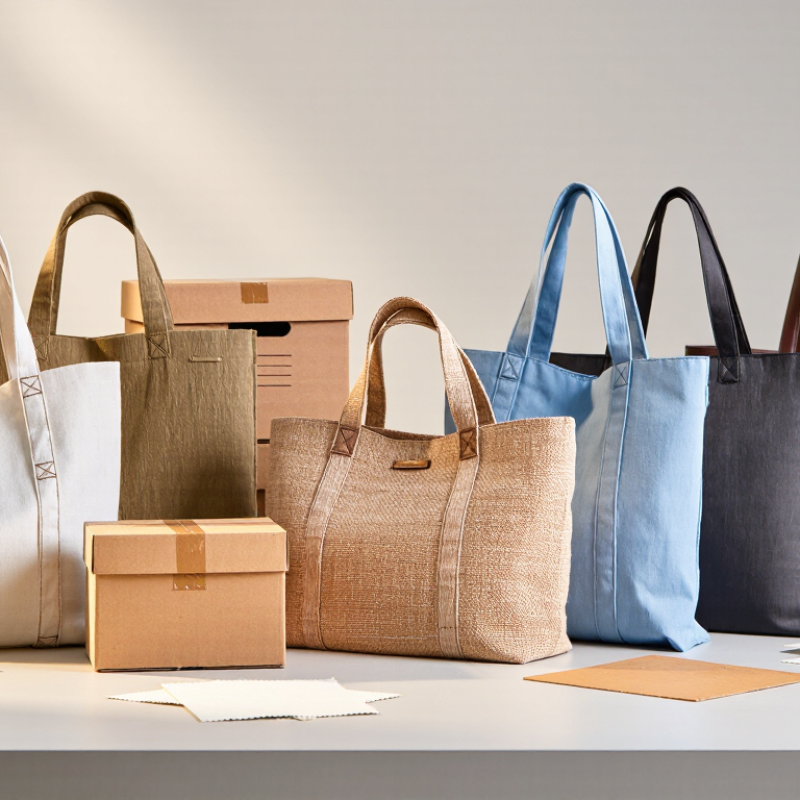
China’s tote bag manufacturing industry serves buyers across retail, events, hospitality, and daily transport. Its strength comes from dense supplier networks, skilled sewing teams, and flexible production capacity. Manufacturers commonly work with cotton canvas, recycled fabric, jute, nonwoven material, and coated textiles. A small workshop may handle prototypes, while larger factories manage thousands of units.
Production decisions affect both cost and performance. Fabric weight, handle length, stitching density, and printing method should match the intended use. Factory buyers should request material samples, measurement sheets, color standards, and pre-shipment inspections. These steps reduce surprises. They do not remove every risk.
China also plays a major role in global tote bag supply chains through established ports, freight services, and export experience. Manufacturers can support private labels without relying on a single market. This flexibility helps overseas buyers adjust order sizes and seasonal designs. However, capacity is not the same everywhere. Some suppliers communicate well but lack consistent quality control. Others produce excellent samples but struggle with repeated orders. That gap deserves attention.
Responsible sourcing requires more than a low quotation. Buyers should review production records, workplace conditions, material documentation, packaging choices, and applicable import requirements. Clear purchase specifications protect both sides. Even then, mistakes happen. A printed color may shift slightly, or handles may feel weaker than expected. Regular inspections, realistic timelines, and written approvals make these problems easier to manage.
China’s textile and apparel export scale provides a useful supply-chain indicator for tote bag sourcing, covering fabrics, trims, finished textile goods, and related manufacturing capabilities. Exports increased sharply in 2020 and 2021 before moderating in 2023, while remaining above the 2019 level.
Source: China Customs annual trade statistics; textile and apparel export totals, rounded to the nearest US$1 billion. The figures represent the broader textile and apparel sector rather than tote bags alone.
Chinese suppliers offer several tote formats for retail, events, packaging, and daily use. Cotton canvas suits screen printing and repeated carrying, while nonwoven polypropylene keeps costs low for large promotions. Recycled PET offers a smoother surface and stronger moisture resistance. Jute provides a coarse, natural texture, though its fibers can shed. Nylon remains useful for foldable totes because it is light, compact, and quick to dry.
Material selection should match the real use case. A 10-ounce cotton canvas bag can carry books and groceries, but it needs more shipping space than a thin nonwoven bag. Recycled polyester is also gaining attention. Textile Exchange reported that recycled polyester represented about 14% of global polyester fiber production in 2022. That figure shows progress, not perfection. Certification, recycled content, dyeing, and transport still require verification.
Chinese factories commonly customize gusset depth, handle length, stitching, closures, and packaging. Buyers should request fabric weight, seam photos, colorfastness results, and pre-production samples. Small details matter. A weak handle can fail before the printed panel shows wear. Laminated bags resist moisture, but the added film may complicate recycling in some markets. Supplier claims should therefore be checked against test reports and purchase samples. In my experience, the cheapest quotation often hides the most important variable: consistent material quality.
A reliable evaluation starts with the factory’s product samples, not its online gallery. Request samples made with the same canvas, cotton, or recycled fabric as your planned order. Check fabric weight, handle length, stitching density, and seam reinforcement. A 12-ounce canvas bag should feel firm, not flexible like thin packaging material. Measure the sample yourself. Small differences can affect shipping cartons and retail displays.
Ask for production details in writing. Confirm minimum order quantities, sampling fees, lead times, packing methods, and inspection procedures. Experienced manufacturers should explain how they control fabric shrinkage, color variation, and print alignment. Request recent quality records or third-party test reports when relevant. Useful checks include colorfastness, seam strength, odor, and wash performance.
Keep communication clear. Vague answers are warning signs.
A factory visit or live video inspection can reveal useful details. Look for organized cutting tables, labeled fabric rolls, working sewing machines, and separate inspection areas. Workers should understand your specifications, not simply repeat them. Still, appearances can mislead. A clean showroom does not prove stable production. I would approve a small trial order before committing to larger volume. It may seem slower, but it exposes weak stitching, late packing, or inconsistent measurements early. My own evaluation can also be imperfect, especially when specifications change during development. Record every revision and compare the final sample with the production unit.
China Best Tote Bags Manufacturers for Global Buyers
A reliable tote bag starts with a measurable specification, not a sample that merely looks attractive. Textile Exchange’s Materials Market Report 2024 estimates that global fiber production reached 124 million tonnes in 2023, up from 116 million tonnes in 2022. That scale makes material traceability important. Buyers should request fiber composition, fabric weight, and supplier documentation before bulk production. Small checks matter.
During production, manufacturers can inspect fabric rolls for shade variation, weaving flaws, and inconsistent thickness. A practical quality plan also checks handle attachment, seam strength, print alignment, and dimensions against an approved sample. Keep records for each production lot. A bag can pass visual inspection and still fail under load; testing representative samples with a defined weight and duration helps reveal weak seams. No test removes every risk.
Customization works best when artwork, colors, labels, and packaging are approved in writing before cutting begins. For recycled materials, ask how the supplier verifies the claim and maintains batch records. Textile Exchange reports that fiber production could reach 160 million tonnes by 2030 if current trends continue, increasing pressure to document sourcing accurately. Changes after approval can cause delays and uneven results. I have seen teams underestimate that. A clear change log, followed by a pre-shipment inspection, gives global buyers a more dependable process.
For global buyers, supplier selection begins with export capability, not attractive product photos. Ask for recent export records, production capacity, and quality-control procedures. A reliable factory should explain fabric weight, stitching density, handle strength, and packaging details clearly. Request samples before discussing large orders. Check the seams. Fill each bag with realistic weight. Test the handles repeatedly. These simple checks often reveal weaknesses that catalog images hide. Export experience also matters because cartons, documents, labeling, and delivery schedules can affect your final cost.
Pricing requires more than comparing the lowest quotation. Request a complete breakdown covering materials, printing, labor, packaging, inspection, and shipping terms. Confirm the quotation’s currency and validity period. Cotton prices can change. Exchange rates can change too. A low unit price may exclude printing setup or export packaging. Discuss minimum order quantities and production lead times early. A supplier who answers slowly may create problems later, although communication alone is not perfect evidence. My practical mistake was trusting a polished sample without checking batch consistency. Ask how defects are recorded and replaced.
Tips: Compare at least three suppliers. Use the same specifications for each quote. Keep written records of revisions. Confirm pre-shipment inspection arrangements. Choose the supplier that offers transparent answers, stable quality, and realistic delivery promises, not simply the cheapest figure.